Song Meaning
These lyrics unfold as a deeply personal letter, a raw and heartfelt plea from a child to their mother. The speaker is consumed by regret, desperately seeking forgiveness for past actions that have caused their mother pain. It's a scene steeped in sorrow, longing for reconciliation and the comfort of maternal acceptance.
The central tension here stems from a profound conflict: the speaker's enduring love for their mother clashes with the sorrow caused by a pivotal life choice. "Je sais je t'ai fait tant de peine en épousant celui que j'aime," the speaker confesses, pinpointing the marriage as the source of the rift. This admission lays bare a vulnerable truth, highlighting the speaker's deep sadness and urgent need for their mother's understanding and presence, expressed in the poignant line, "j'ai besoin de toi."
The craft of these lyrics shines through the powerful use of repetition. The recurring address, "Chère maman," anchors the entire message, reinforcing the intimate bond and the speaker's unwavering respect. Phrases like "pardonne-moi" and "j'ai tant de chagrin" are repeated, building an insistent emotional crescendo. Perhaps most impactful is the repeated, desperate call to "tends-moi la main," a simple yet profound image of reaching out for connection, forgiveness, and a physical gesture of peace.
Ultimately, these lyrics hit hard because of their unvarnished honesty and direct emotional appeal. The speaker's raw vulnerability, coupled with the clear articulation of regret and the yearning for reconciliation, creates a powerful sense of empathy. The simple, evocative imagery, particularly the outstretched hand, makes the universal longing for familial acceptance feel immediate and deeply personal, resonating with anyone who has ever sought to mend a broken bond.
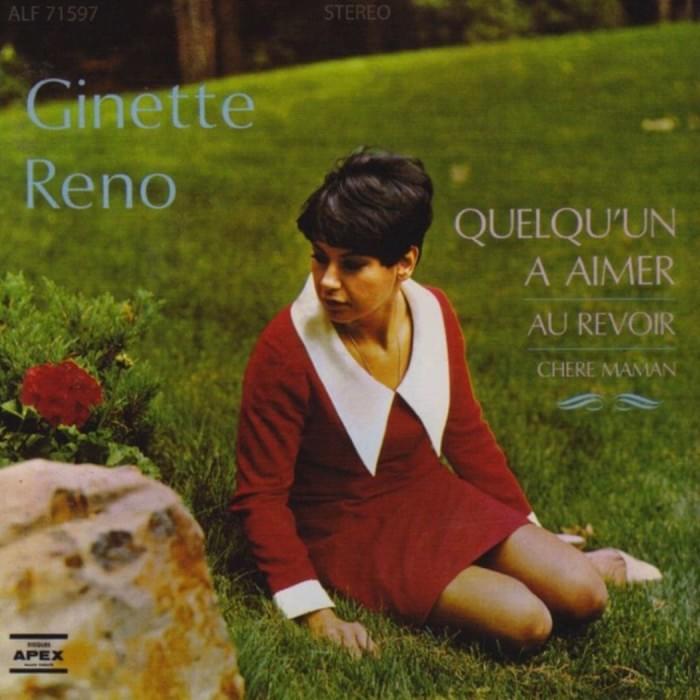
 View Artist