Song Meaning
These lyrics deliver a bracing, no-nonsense pep talk to someone reeling from a painful loss or betrayal. The speaker immediately cuts through any self-pity, declaring that what was lost "不是你的" (not yours), and questioning why the recipient took it "這麼重" (so seriously). It's a tough love intervention, demanding an end to wallowing.
The central tension lies in the stark contrast between seeking external validation or comfort and cultivating internal fortitude. The lyrics explicitly reject the path of victimhood, stating that "求同情 求安撫 是最差勁套路" (seeking sympathy, seeking comfort, is the worst approach). Instead, the message is clear: self-reliance is the only way forward, warning that "不自救 餘年不保" (if you don't save yourself, your remaining years are not guaranteed).
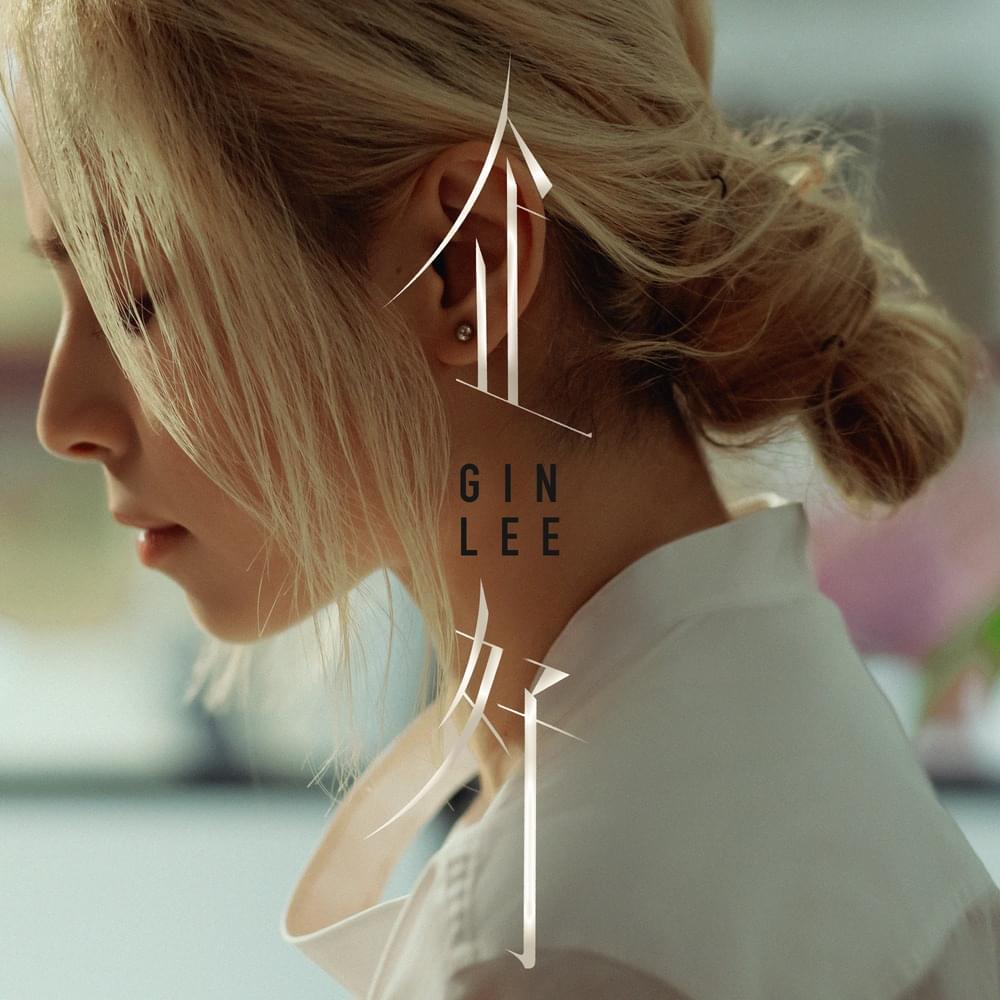
What makes these lyrics particularly potent is the consistent use of powerful, physical imagery to represent emotional resilience. The repeated command to "挺直腰骨企好" (straighten your back and stand firm) becomes a visceral mantra. Metaphors like "人是脊椎生物 何懼獨舞" (humans are spinal creatures, why fear dancing alone) and the ultimate challenge to "首先將 拐杖拋開" (first to throw away the crutch) vividly illustrate the necessity of standing on one's own two feet, both literally and figuratively.
This blend of direct, uncompromising language and potent physical metaphors creates an incredibly impactful and empowering message. By refusing to coddle, the lyrics empower the listener to transform their pain into a source of strength, urging them to rise above their circumstances and find their own unwavering stability. It's a powerful call to reclaim agency and dance alone, if necessary.
 View Artist