Song Meaning
Gilles Vigneault's "Poussière sur la ville" isn't simply a description of urban gloom; it's an exploration of how external environments shape internal landscapes, and how love acts as a defiant force against existential weariness. The song opens with a melancholic image: ash-like dust descending from a heavy sky, mirroring the slow, relentless passage of time. This isn't just weather; it's a metaphor for the emotional weight of daily life, a pervasive grayness that seeps into the soul. Vigneault masterfully evokes a sense of ennui, where work becomes a distant, mournful cry and the line between day and the numbing routine blurs.
The brilliance of "Poussière sur la ville" lies in the juxtaposition of this oppressive atmosphere with the transformative power of love. Amidst the timeless fog, the singer finds solace in the gaze of a loved one, described as both moon and sun – a source of both gentle comfort and radiant energy. This love transcends the bleakness, turning winter and summer into indistinguishable, beautiful journeys. It's a powerful statement about the ability of human connection to alter perception and create inner warmth, even when surrounded by coldness.
Ultimately, the song circles back to the initial image of descent, but with a crucial shift. What was once described as ash and dust becomes something tender and sweet, falling from a pure sky. The "brouillards d'hier" (yesterday's fogs) are not erased, but rather become the canvas upon which love attempts to spread its influence. "Poussière sur la ville" speaks to the enduring human need for connection and beauty in the face of a world that often feels indifferent, reminding us that even in the most desolate landscapes, love can create its own vibrant ecosystem.
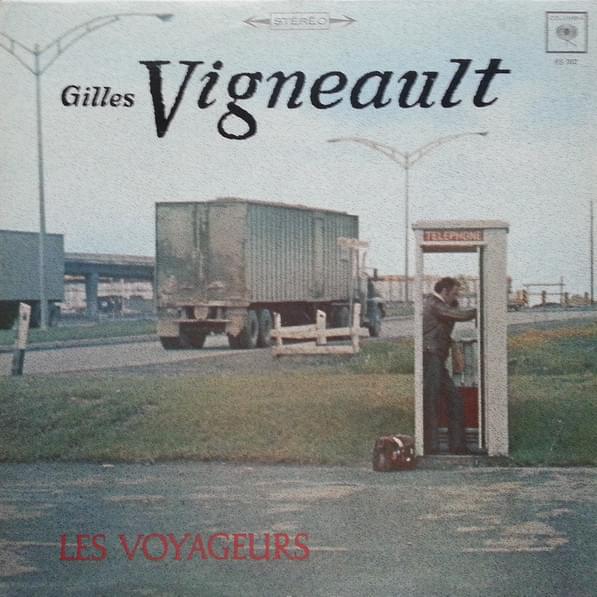
 View Artist