Song Meaning
Gilles Vigneault's "Les neufs couplets" isn't so much a song as it is a philosophical riddle wrapped in a lullaby. The lyrics, deceptively simple, present a cyclical meditation on time, self, and the ephemeral nature of existence. Vigneault uses the structure of the nine couplets themselves as a metaphor, with each verse representing a different facet of the human condition. The opening lines establish the core theme: time's relentless march forward, juxtaposed with the immediacy of the present moment. This tension between past, present, and future permeates the entire song. It is not a straight forward march of time, but a loop that continues in perpetuity.
The concept of self is fragmented and fluid throughout "Les neufs couplets." The heart, soul, and even the singer's own identity are scattered across the verses, interacting and even erasing one another. The line "Le dernier déjà s'efface et m'efface" speaks to the anxiety of oblivion, the fear that our existence is merely a fleeting noise in the grand scheme of the universe. This existential angst is further amplified by the cyclical structure of the lyrics, suggesting that even in our disappearance, the cycle continues, indifferent to our individual fate.
Ultimately, “Les neufs couplets” resists easy interpretation. Its power lies in its ambiguity, its ability to evoke a sense of wonder and unease. The song invites us to contemplate our place in the cosmos, to grapple with the paradoxes of time and identity, and to find meaning in the face of inevitable decay. Vigneault isn't offering answers; he's providing a framework for exploring the profound questions that haunt us all, using the very structure of the song as part of the question itself.
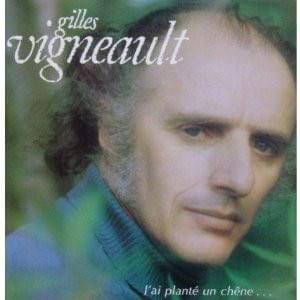
 View Artist