Song Meaning
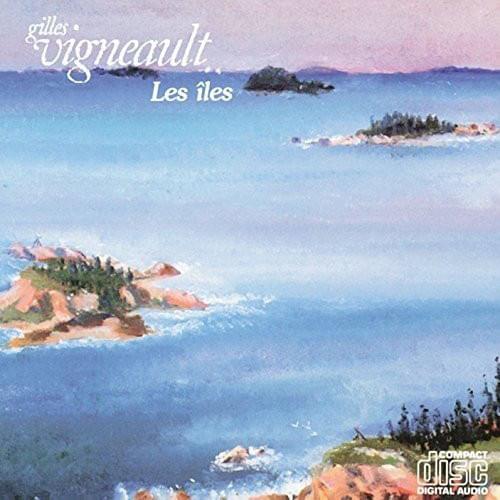
Gilles Vigneault's "Les îles de l'enfance" drifts on the currents of memory, a wistful reflection on the irretrievable nature of childhood. The song meaning isn't a simple longing for the past; it's a poignant understanding of time's relentless flow. Vigneault paints a picture of childhood as islands resting on "l'eau du Temps" (the water of Time), suggesting both their fragility and their separation from the present. The lyrics convey that the only way to revisit these islands is with "des pas d'enfant" (a child's footsteps), highlighting the impossibility of truly recapturing that innocent perspective. It acknowledges the way memories persist, even as experience fades, leaving the listener with a complex sense of bittersweet nostalgia.
The imagery in "Les îles de l'enfance" is deceptively simple. "Le calme des eaux, le bruit des roseaux, le chant des oiseaux" (the calm of the waters, the sound of the reeds, the song of the birds) are not just sensory details; they represent the untroubled peace and sensory richness that define childhood experience. That these elements now "habitent ma tête" (live in my head) and "habitent mon cœur" (live in my heart) suggests that while the physical reality of childhood is gone, its essence remains within the singer. The song gracefully navigates the tension between holding onto these memories and accepting their ephemeral nature. The water and the wind take everything away, and yet memory persists.
However, Vigneault's lyrics don't wallow in regret. The song includes an encouragement to the listener: "Puisque c'est ton tour, vogue, rêve et cours" (Since it's your turn, sail, dream and run). This shifts the focus from personal loss to a broader, almost universal, meditation on time and memory. The song suggests that each generation has its own "îles de l'enfance" to cherish and, ultimately, to let go of. The invitation to "remplis ta tête… remplis ton cœur" (fill your head… fill your heart) acts as both a call to fully experience the present moment and a recognition that these moments, too, will eventually become islands in the past. In Vigneault's "Les îles de l'enfance", the bittersweet reality of aging becomes a universal, almost comforting, truth.
 View Artist