Song Meaning
Gilles Vigneault's "La plus courte chanson" isn't just a brief tune; it's a condensed, almost desperate yearning. The lyrics, simple in their construction, speak volumes about the centrality of a beloved in the speaker's existence. The opening lines establish a clear hierarchy of desire: to sleep beside his beloved transcends mere physical rest; it's akin to sleeping with love itself. This isn't just about companionship; it's about a profound merging of being. The act of walking, typically mundane, is elevated to a life's purpose if undertaken with her.
The stark contrast arrives with the acknowledgment of distance. Separation from his 'mie' (sweetheart) renders life unbearable, to the point where death appears as a preferable alternative. This isn't romantic hyperbole so much as an articulation of existential dependency. The song meaning hinges on the idea that the speaker's very being is intertwined with the presence of this other person. To be without her is to be without a vital part of himself, rendering existence a hollow shell.
Ultimately, "La plus courte chanson" distills love down to its rawest, most essential form: a need so profound it eclipses all else. The closing lines circle back to the initial desire, reinforcing the idea that the ultimate fulfillment, the pinnacle of existence, lies in the simple act of sleeping beside the beloved. Vigneault, with his characteristic economy of language, paints a portrait of love as not just a feeling, but a fundamental requirement for a life worth living. The lyrics analysis reveals a vulnerability that resonates deeply, tapping into the universal human longing for connection and the fear of its absence.
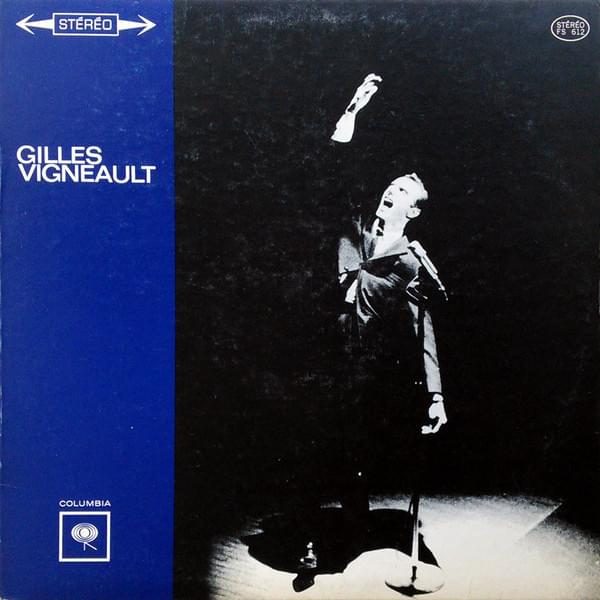
 View Artist