Song Meaning
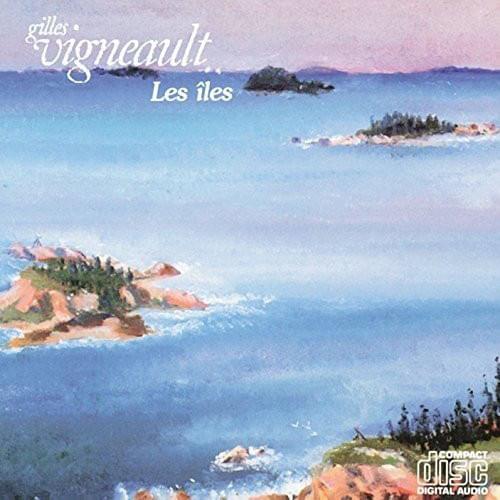
Gilles Vigneault’s "La chanson de l'eau" isn't merely a song; it's a delicate, psychologically rich portrait of transformation and enduring connection. The "song of water" unfolds as a series of metaphors, each verse layering a deeper understanding of a relationship's evolution. Vigneault masterfully uses water in its various states – cloud, snow, spring – to mirror the ever-changing nature of love and memory. The cloud, carefree and drifting, becomes a symbol of a past self or a fleeting moment in the relationship's history. This initial image, seemingly light, hints at the ephemerality of early romance, driven by whim and external forces ("au gré du vent").
The snow, melting and awakening a dormant garden, introduces a sense of renewal and quiet transformation. This verse suggests a deeper, more profound impact; the relationship, like the snow, subtly nourishes and revives something essential. The mention of the blackbird and thrush, storytellers of marvels, adds a layer of folklore and timeless wisdom. These natural witnesses underscore the universal and enduring quality of the emotions being explored. There’s a sense of shared history, a secret language understood by those who pay close attention to the subtle shifts of the natural world.
Finally, the spring, constant and life-giving, represents the present state of the relationship. The water now speaks of a past where it was a cloud and the other was the fleeting wind. This is the core of the song meaning: a recognition of past forms and a present understanding. The lines, "Vous me parlez aujourd'hui / L'amour est ce long voyage" encapsulate the central theme. "La chanson de l'eau" is a journey through time and form, a testament to the enduring power of love as it adapts, changes, and ultimately finds its constant source. The lyrics analysis reveals a profound meditation on love's ability to transcend time, circumstance, and even form itself.
 View Artist