Song Meaning
Gilles Vigneault's "Je m'ennuie" isn't just a song; it's an ache. That ache centers on an elusive homeland, a place that exists tantalizingly close yet remains perpetually out of reach. The repetition of "Je m'ennuie d'un pays qui n'est pas" (I miss a country that is not) immediately establishes this sense of longing, not for a past territory, but for a future ideal—a homeland that *will be*. The song's brilliance lies in its ambiguity: is this a political yearning for Quebecois sovereignty, a spiritual quest for a personal utopia, or a universal expression of human dissatisfaction with the present? The beauty is, it can be all three.
The narrative unfolds with the introduction of a traveler, cloaked in grey, arriving on a rainy night. This figure, clearly an outsider ("Il n'était pas de mes amis"), imparts a haunting refrain, a song perpetually unfinished. He embodies the restless spirit of progress, identifying himself as "la roue" (the wheel), forever turning, forever seeking. The traveler's journey "de chez moi, chez vous" (from my home, to your home) suggests a shared human experience of displacement and the unending search for belonging. It's a potent image of migration, both literal and metaphorical, and the perpetual human drive to seek something more.
Vigneault masterfully layers the personal and the political. The "pays qui frémit sous ton pas d'aujourd'hui" (country that trembles beneath your step today) could refer to the political tensions of Vigneault's Quebec, but equally, it speaks to the individual's unease within their current circumstances. Ultimately, "Je m'ennuie" transcends specific geography or political context. It becomes a poignant meditation on human yearning, the inherent dissatisfaction that fuels our dreams, and the constant striving for a better, albeit perpetually elusive, future. The song’s meaning resides in this tension – the simultaneous recognition of the present’s limitations and the unwavering hope for what ‘sera’ (will be).
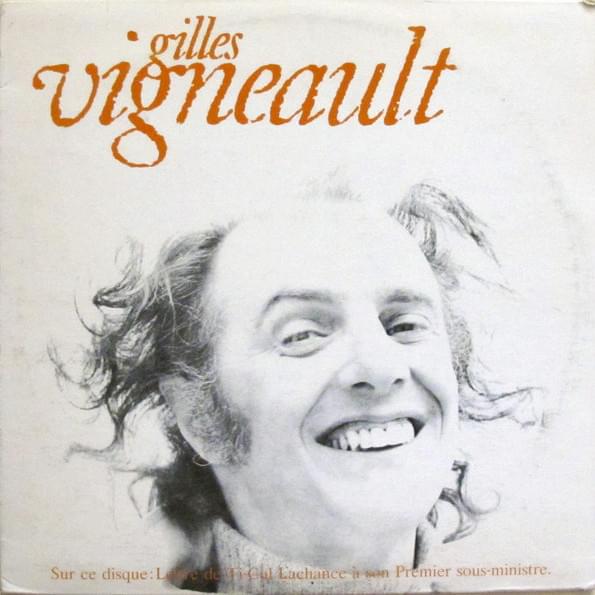
 View Artist