Song Meaning
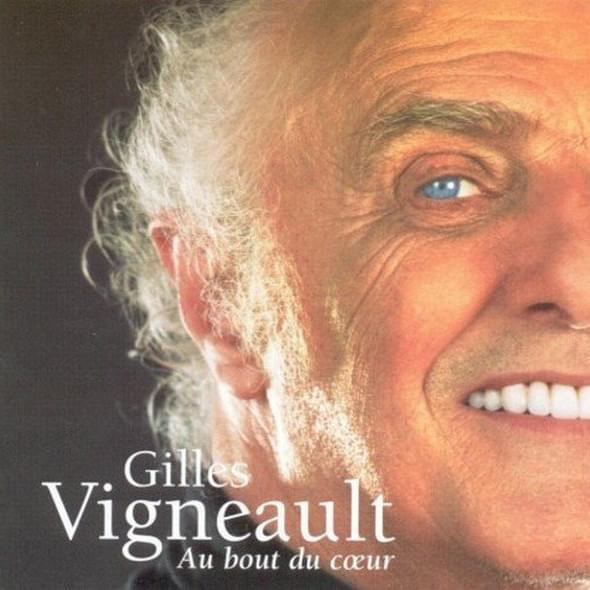
Gilles Vigneault's "Au bout du cœur" isn't just a song; it's a meditation on the cyclical nature of existence, a poignant reflection on heritage, and an exploration of the human need for connection. The lyrics paint a vivid picture of generations past and future, all tethered to the present moment by the enduring power of the heart. Vigneault suggests that our journeys, both physical and metaphorical, are ultimately circular. We venture out, driven by a desire for self-discovery, only to find ourselves drawn back to the core of our being – "au bout du cœur" (at the heart's edge). This isn't necessarily a physical location, but rather a state of belonging, a deep-seated sense of home found within oneself and within the bonds of family and community.
The song also delves into the anxieties that underpin the human experience. Vigneault acknowledges our tendency to mask our fears through rituals – "On chante pour cacher sa peur" (We sing to hide our fear). But art, specifically music and poetry, offers a pathway to transcend these fears. The "musicien solitaire" (solitary musician) becomes a symbol of this quest for harmony, seeking the melody that can unite hearts and reconcile the soul with the body. This is a profoundly psychological concept, suggesting that true well-being arises from integrating our disparate parts – our intellect, emotions, and physical selves.
Ultimately, "Au bout du cœur" offers a hopeful vision. It acknowledges the inevitability of change and the passage of time, but it also emphasizes the enduring power of love, connection, and artistic expression. The cyclical nature of life, from ancestors to descendants, is presented not as a burden, but as an opportunity for renewal and growth. The image of life's harvest being reaped "au bout du cœur" suggests that our most meaningful experiences are those rooted in genuine human connection and heartfelt expression. The song’s meaning, therefore, resonates deeply with the universal human search for identity and belonging, a search that ultimately leads us back to the wellspring of our own hearts.
 View Artist