Song Meaning
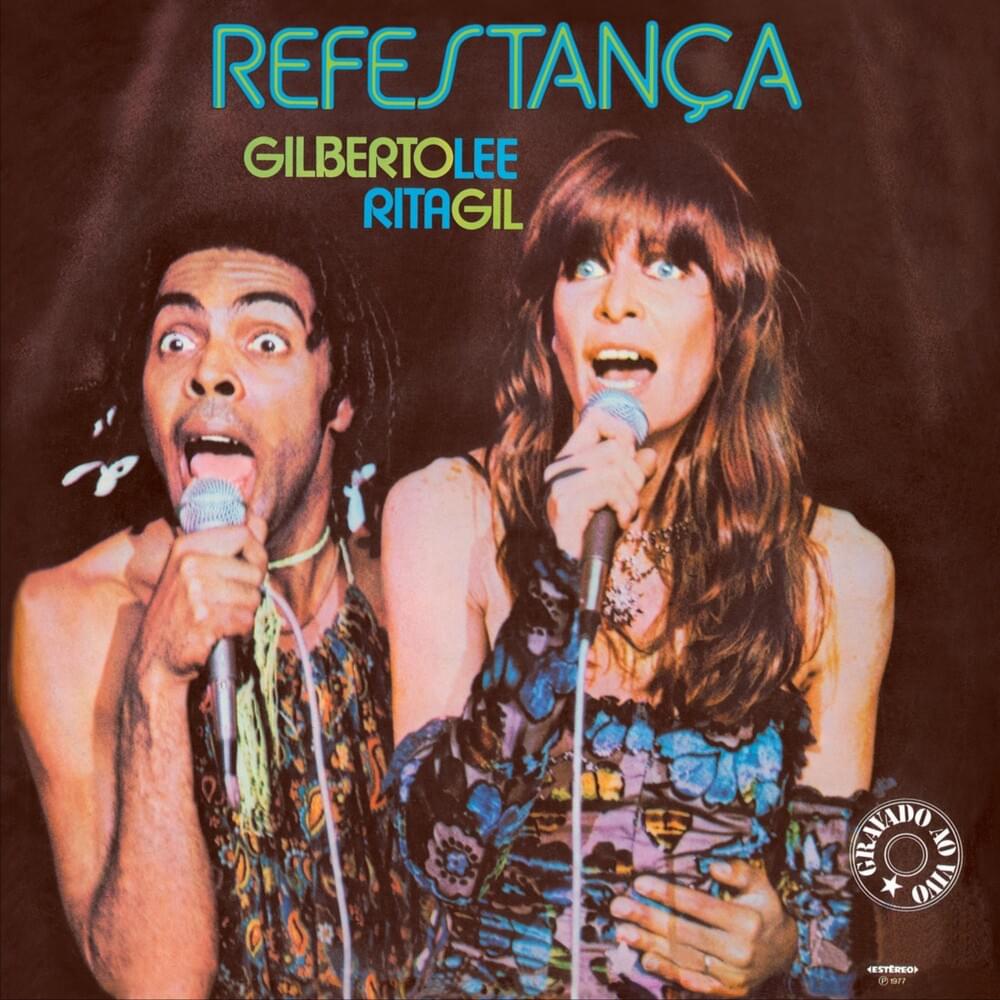
"Refestança," particularly in this live reprise by Gilberto Gil, transcends simplistic lyrical analysis. The near absence of traditional lyrics, replaced instead by the insistent, rhythmic chanting of "Cha-cha-cha-cha / Cha-cha-ô," pushes the song into the realm of pure, unadulterated feeling. It's a primal scream disguised as a dance rhythm, a collective exhalation of energy that seeks to bypass the intellect entirely. The repetition isn't emptiness; it's intentional. It's a mantra, designed to induce a state of trance, a communal experience where individual anxieties dissolve into the shared pulse of the music. The shouts of "É!" punctuate this rhythmic cycle like bursts of pure joy or cathartic release.
To understand the song's meaning, one must consider the cultural context of Gilberto Gil's work. As a pivotal figure in the Tropicália movement, Gil often challenged conventional norms, using music as a vehicle for social and political commentary. "Refestança," even in its seemingly simple form, could be interpreted as a rebellion against rigid structures, an invitation to let loose and embrace the chaotic beauty of life. The "cha-cha" rhythm, a distinctly Latin American form, further grounds the song in a specific cultural identity, a celebration of heritage and a rejection of cultural imperialism.
Ultimately, the song meaning resides not in what is explicitly stated, but in what is felt. The repetitive chanting creates a space for individual interpretation and emotional projection. It's a reminder that music, at its core, is a visceral experience, a powerful force capable of uniting people and transcending linguistic barriers. This live version amplifies that effect, capturing the raw energy of a shared moment and transforming it into a potent sonic experience. The song is not an intellectual exercise; it's an invitation to move, to feel, and to connect.