Song Meaning
The lyrics paint a stark, unsettling picture of a child, Susan Van Heusen, caught in a volatile domestic situation. The opening lines immediately establish a sense of unease, with her father engaging in a "cat and mouse" game with a "peasant girl," a dynamic that seems to involve conditional affection. Susan's presence during this fraught interaction suggests an early exposure to complex and potentially manipulative adult relationships, setting a somber tone.
The central tension appears to revolve around the narrator's internal state and their relationship with Susan. The recurring refrain, "when my head is bowed / It is not because I am sad / Merely that old blue me getting me down," hints at a persistent melancholy or depression that the speaker attributes to an "old blue me." This internal struggle seems to influence their interactions, creating an atmosphere where Susan is advised to "rid her self from this an unfriendly affair" and "went over the hill and back again," implying a need for escape.
The most striking aspect of the craft is the narrator's self-perception as a performer or actor in their own life, stating, "I have no role to play other than that one of me / Eaten by you, all the way through." This metaphor suggests a feeling of being consumed or defined by others, particularly within the context of the "unfriendly affair" Susan is encouraged to leave. The language is stark and almost clinical, describing Susan's departure as "easy" and her father's attempts to bring her back as "begging her to one and all aboard this plane," a phrase that feels both literal and metaphorical for a desperate plea.
Ultimately, the lyrics resonate through their unflinching portrayal of emotional detachment and the quiet desperation of a fractured family. The narrator's struggle with their own "old blue me" creates a palpable sense of distance, even as they advise Susan to seek refuge. The effectiveness lies in the indirect storytelling, allowing the listener to piece together the emotional landscape from fragmented observations and the narrator's own melancholic pronouncements, making the implied sadness all the more potent.
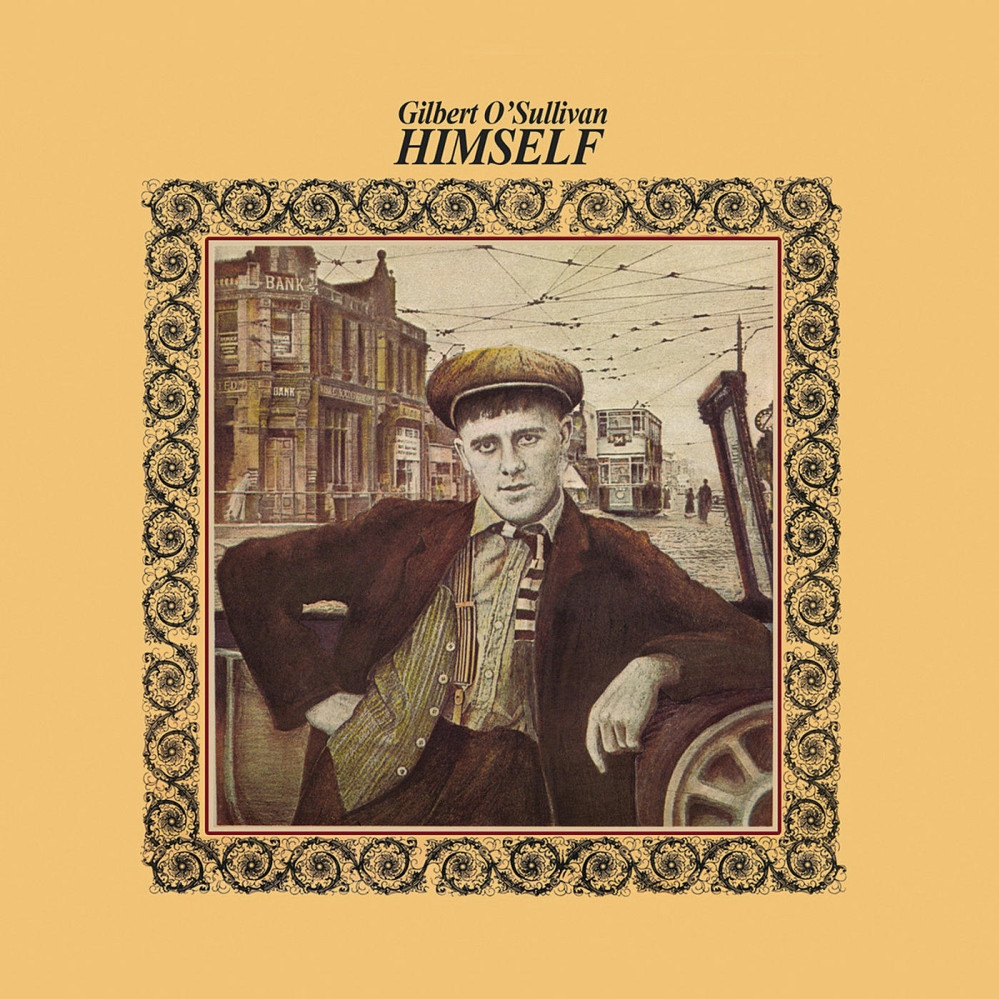
 View Artist