Song Meaning
The lyrics paint a stark picture of an inevitable departure, framed by a chillingly casual encounter. The opening lines, "Early this morning / When you knocked / Upon my door," immediately establish a sense of predestined arrival, met not with fear but with a resigned greeting: "Hello Satan / I believe its time to go." This isn't a struggle; it's an appointment being kept, a quiet acceptance of a grim fate.
The central tension lies in the narrator's defiant yet resigned relationship with this encroaching darkness, personified as Satan. The repeated phrase "Me and the Devil / Walking side by side" suggests a long-standing, almost companionable association, rather than a sudden capture. Yet, there's a flicker of resistance in the lines, "You don't see why / Like you'a dog me 'round," hinting at external judgment or misunderstanding of the narrator's path. The narrator pushes back, asserting "I ain't do it like that," before conceding to an "old old evil spirit" that seems to be the true puppeteer.
The most striking aspect is the narrator's nonchalant attitude towards their own demise and burial. The lines, "You may / Bury my body / Down by the highway side / I don't really care where you bury me when I'm gone," reveal a profound detachment from the physical self. The true concern isn't the body, but the "old evil spirit" that needs to escape, catching a "greyhound / Bus that ride" – a darkly humorous image of a spirit on the move, unburdened by earthly concerns or the finality of death.
This lyrical construction is effective because it subverts expectations of a hellish confrontation. Instead, it offers a weary, almost business-like arrangement with the devil, focusing on the spirit's liberation rather than the body's fate. The casual tone, juxtaposed with the ominous subject matter, creates a disquieting resonance, highlighting a sense of inevitability and a peculiar freedom found in letting go.
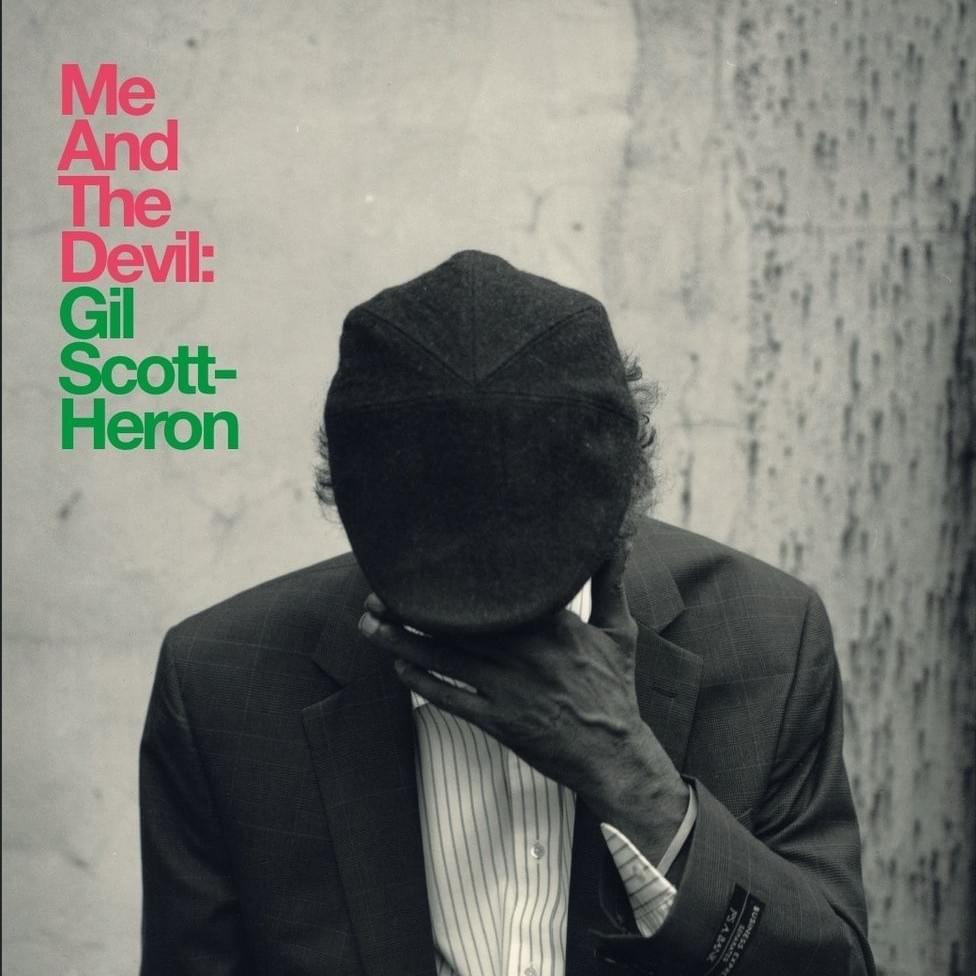
 View Artist