Song Meaning
The lyrics paint a picture of seeking guidance, finding a seemingly wise figure who offers perspective on personal growth. This sage figure presents a vision of the past, highlighting how far the narrator has come, and offers a sense of liberation, likening it to flying past soft clouds. It's a moment of idealized peace and reflection, a stark contrast to the external world.
However, this tranquility is immediately complicated by the assertion that "Peace won't be still of its own free will." This suggests that the peace achieved is not inherent or self-sustaining; it requires active effort or perhaps is even elusive. The narrator then expresses a desire to escape the oppressive and judgmental environment, specifically mentioning "Christians shouting down at you" and a general disinterest in "politics." This points to a desire for a more authentic existence, away from societal pressures and ideological conflicts.
The core tension lies between the desire for effortless peace and the reality that true peace, or perhaps personal freedom, demands active pursuit. The image of the sage offering direction and the narrator's subsequent flight are beautiful, but the recurring line about peace needing to be actively willed underscores the effort involved. The lyrics suggest that escaping superficial engagement, like disliking politics or being shouted at by religious figures, is only the first step toward finding a deeper, more genuine sense of self and peace.
What makes these lyrics resonate is the juxtaposition of idyllic imagery with a pragmatic, almost cynical, observation about the nature of peace. The idea that even peace isn't passive, that it requires agency, adds a layer of complexity to the otherwise uplifting imagery of flight. It’s a reminder that personal liberation isn't just about escaping external noise, but about actively cultivating internal stillness and purpose.
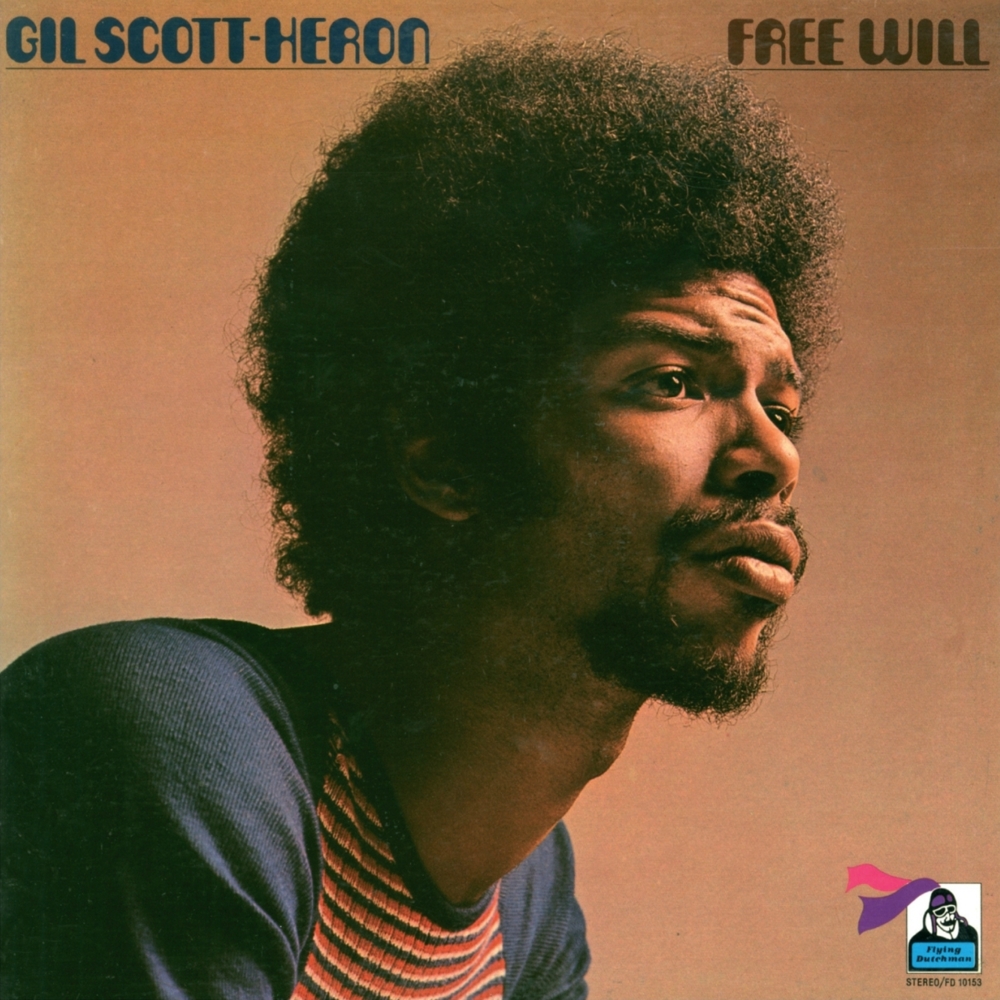
 View Artist