The absence of lyrics in "Joy Spring" immediately shifts the focus to the music itself. Without a narrative voice, the piece invites listeners to project their own experiences and emotions onto the instrumental soundscape. It becomes a canvas for personal interpretation, where the dominant feeling is dictated by the listener's internal state rather than a prescribed story. The music, therefore, is not just heard but actively *felt* and *seen* through the lens of individual consciousness.
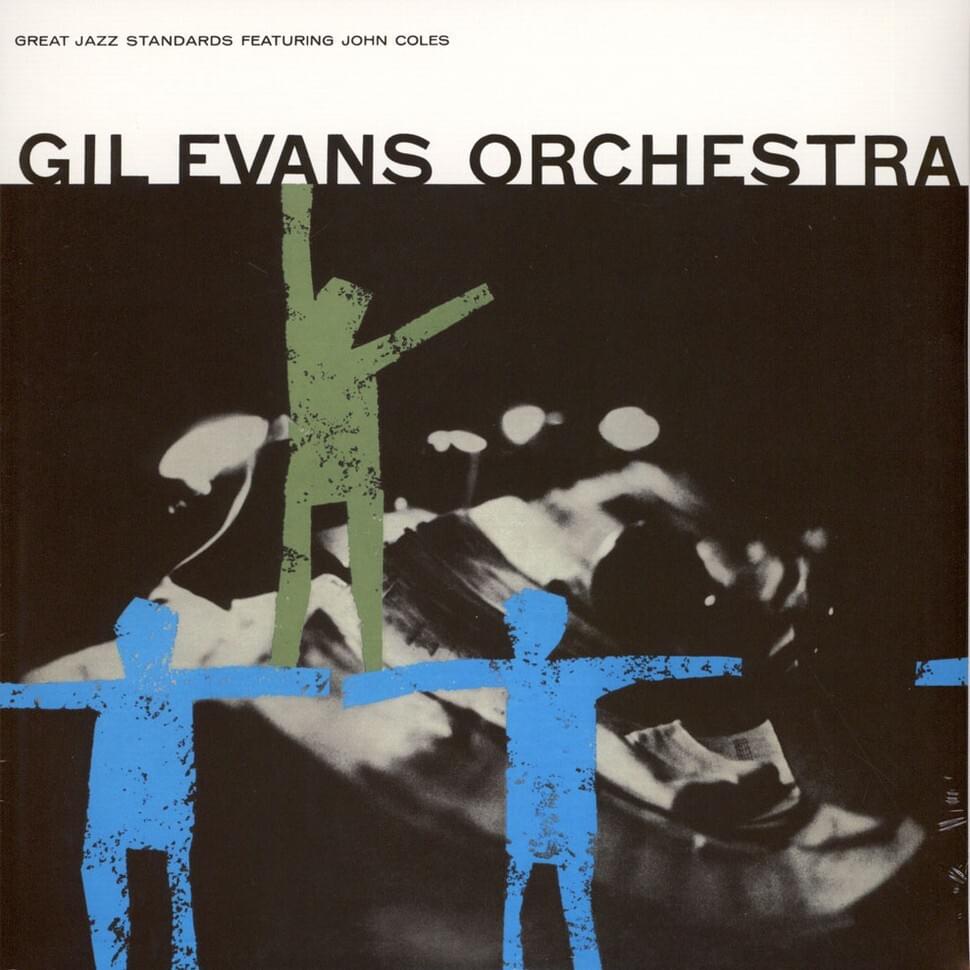
 View Artist