Song Meaning
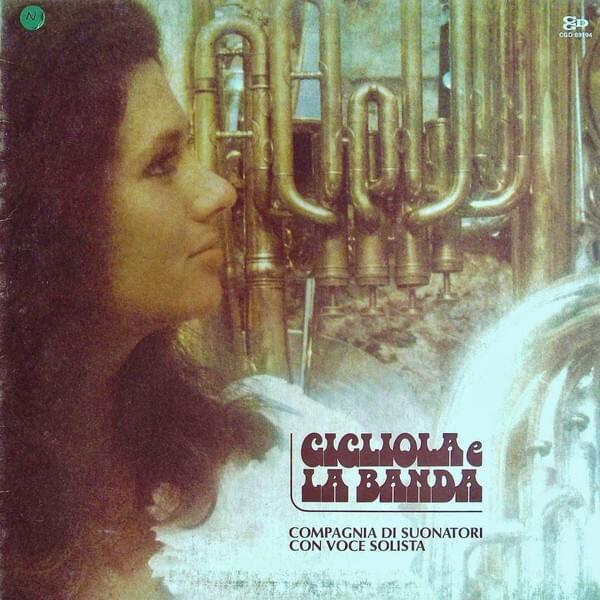
The lyrics paint a picture of a capricious, perhaps destructive, force addressed as "cin-ci-la," which is urged to "bite, gnaw, devour." This entity is described as tormenting those who care for it, with its restraints metaphorically made of flowers. The tone is one of weary affection, acknowledging the pain this force inflicts while simultaneously recognizing its inherent nature. The repetition of "O cin ci là" grounds the song in this central, enigmatic figure.
The core tension lies in the narrator's conflicted feelings towards this "cin-ci-la." While acknowledging that life is fleeting and one should "enjoy it quickly and well," the narrator laments that too many "roses have been plucked" and "everyone has picked some flower" from their "garden." This suggests a history of being taken from or hurt by others, perhaps personified by "cin-ci-la."
The most striking craft element is the juxtaposition of harsh verbs like "mordi, rosicchia, divora" (bite, gnaw, devour) with the image of "fiori son le tue catene" (your chains are made of flowers). This creates a powerful paradox: the destructive actions are bound by something beautiful and delicate. The lyrics also suggest a self-awareness of the narrator's own heart, described as being "made of slices" that "each one takes his part, blond or dark." This implies a heart that is easily divided or given away, perhaps making it vulnerable to the "cin-ci-la."
Ultimately, the effectiveness of these lyrics stems from their ability to evoke a complex emotional landscape. The narrator seems to grapple with a love or attachment that is both painful and beautiful, a force that consumes yet is bound by ephemeral things. The fragmented nature of the heart, "fatto è a spicchi," and the acknowledgment that "to say woman is to say damage" hint at a deep-seated vulnerability and a resignation to this cycle of being hurt while still holding affection for the source of that hurt.
 View Artist