Song Meaning
The lyrics paint a picture of a fleeting, almost accidental intimacy, set against a backdrop of chaos. The opening lines immediately ground us in a messy, loud environment, with a jarring, almost absurd detail about a hand on the rear. This isn't a grand romantic declaration; it's a decision made in the thick of it, a temporary pause in a turbulent existence. The narrator announces, "Mi fermerò con te" (I will stay with you), but the qualifier "Solo per stare a vedere" (Just to watch) suggests a detached curiosity rather than deep commitment.
This temporary stay is emphasized by the recurring motif of departure. The narrator repeatedly states, "E poi domani me ne andrò" (And then tomorrow I will leave), comparing themselves to the wind. This creates a central tension between the desire for immediate comfort and the ingrained need for freedom and movement. The present moment, however brief, is valued precisely because it's a deviation from the norm of constant motion and potential loneliness. The phrase "Ma adesso no perché" (But not now because) acts as a pivot, justifying the present pause.
The lyrics employ a striking blend of the mundane and the slightly surreal to illustrate this temporary connection. The act of "farmi uno shampoo" (to wash my hair) and reaching for a towel is juxtaposed with the larger, more chaotic world outside. This domestic, almost banal detail highlights the simple, immediate needs being met in this shared space. The narrator's declaration, "Perché lo voglio anch'io" (Because I want it too), finally introduces a genuine, albeit still tentative, personal desire into the equation, moving beyond mere observation or convenience.
What makes these lyrics resonate is their honest portrayal of human connection as often unplanned and provisional. The narrator isn't promising forever; they're acknowledging the value of a shared moment, however transient, amidst life's inevitable messes and uncertainties. The final lines about "giorni belli, giorni brutti" (good days, bad days) and the "vento di frontiera" (frontier wind) suggest an awareness of future hardship, making the decision to "Mi fermerò con te" (I will stay with you) a quiet, present-focused choice against an uncertain horizon.
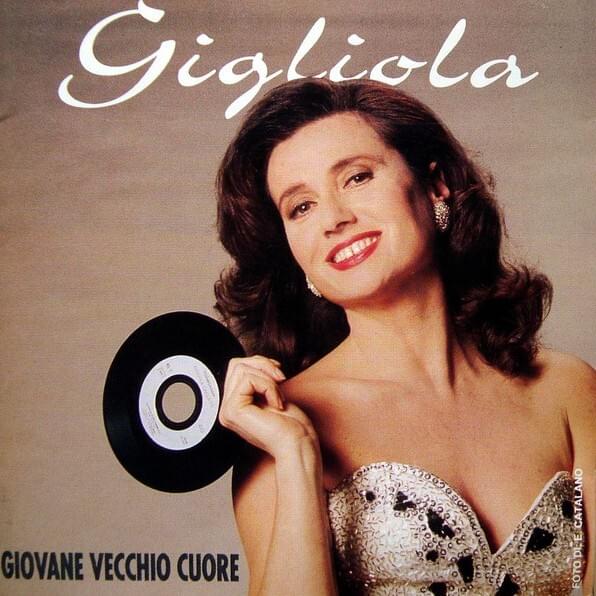
 View Artist