Song Meaning
The narrator feels pallid and drained, with everyone noticing her "smortina" state. This isn't just a physical description; it's directly tied to the consuming power of love, which is actively "ruining" her. The contrast between her current faded appearance and a future vision of herself, "sposina" (a bride), suggests a hope that this love, once legitimized or fulfilled, will restore her vibrancy. The lyrics imply a belief that marriage holds the key to reclaiming her lost colors.
The core tension lies between the present reality of her diminished self and the anticipated future where love's fulfillment brings back her vitality. This dreamlike state, where she imagines being close to her beloved, is a recurring motif, indicated by the repeated line "E mi giravo di qua e di là." This repetition emphasizes a restless longing and an inability to find peace or comfort, even in dreams, highlighting the disruptive nature of her unfulfilled affection.
The most striking craft element is the direct, almost childlike assertion that her pallor is a consequence of love, and that marriage is the cure. This simple cause-and-effect framing, presented without irony, creates a poignant vulnerability. The dream sequence, with its focus on physical closeness and the restless turning, vividly illustrates the emotional turmoil beneath the surface of her seemingly passive state.
These lyrics resonate because they capture a specific, intense feeling of being consumed by desire and the hope for a future resolution. The uncomplicated connection between love, loss of self, and the promise of restoration through marriage offers a raw, relatable emotional arc. The dream's restless turning underscores the deep, internal struggle that belies the narrator's outwardly "smortina" appearance.
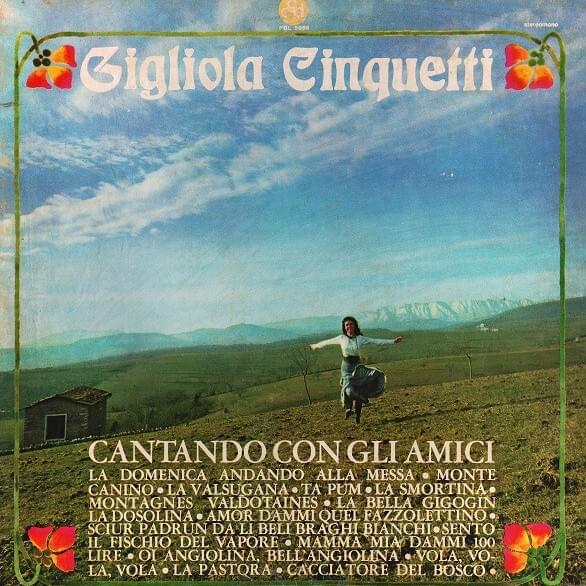
 View Artist