Song Meaning
The lyrics paint a stark picture of a lover's departure, immediately establishing a tone of regret and resignation. The repeated "Dommage, dommage" and "Peccato" (pity/shame) set a melancholic mood, highlighting the sadness of a relationship ending. It's a simple, direct expression of loss, acknowledging the finality of the situation.
The central tension lies in the acknowledgment that love, while powerful, has its limits. The line "Non puoi cambiare il mondo con un bacio" (You can't change the world with a kiss) is a poignant realization that grand gestures or even deep affection can't overcome certain realities, like the need for one person to leave. This suggests a mature, albeit painful, understanding that not all love stories have a fairytale ending.
The most striking aspect is the stark contrast between the intimacy of "amore mio" (my love) and the cold finality of "addio" (goodbye). The narrator is forced to say goodbye not just to the person, but to the very concept of the love they shared and continue to receive, creating a profound sense of loss. The phrase "Il tempo andato non ritorna più" (The time gone never returns) underscores this irreversible nature of the separation.
This lyrical approach is effective because it grounds the emotional weight in simple, relatable truths about love and time. The repetition of "Dommage" and "Peccato" acts like a sigh, a constant reminder of what's being lost. It's this unvarnished honesty about love's limitations and the irreversible passage of time that makes the narrator's sorrow so palpable.
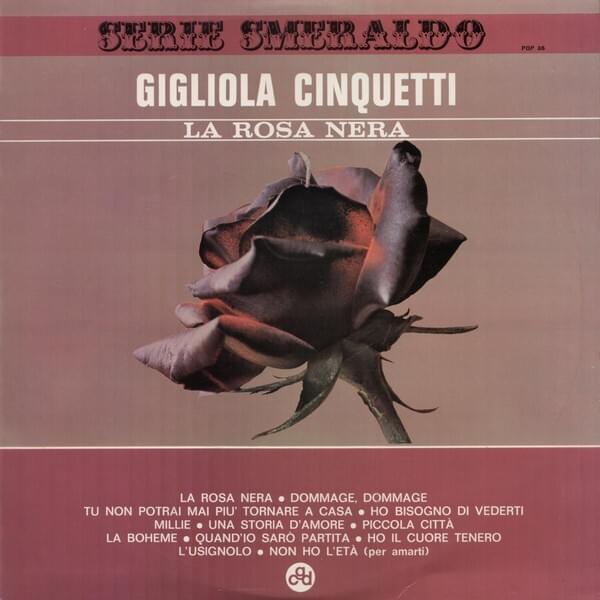
 View Artist