Song Meaning
This track paints a picture of intense, singular affection, bordering on obsession. The narrator fixates on one person, declaring them utterly unique and irreplaceable. "Caro come te dolce come te ce n'è uno solo" – there's only one like you, sweet like you. This isn't just admiration; it's a profound declaration of exclusivity, setting this individual apart from everyone else. The desire to be with them is palpable, as the narrator states, "Vedo solo te solo insieme a te mi piace uscire" (I only see you, I only like going out with you).
However, a fascinating tension emerges with the repeated plea, "Ma non parlarmi mai d'amor" (But never speak to me of love). This creates a stark contrast between the deep emotional connection and the explicit rejection of romantic discourse. It suggests a complex emotional state where intense fondness exists, but the narrator actively avoids the implications or expectations that come with declarations of love. They seem to want the closeness without the commitment or the potential pain associated with romantic vulnerability.
The lyrics then offer a philosophical counterpoint: "L'amore viene quando vuole / Non ha bisogno di parole" (Love comes when it wants / It doesn't need words). This suggests a belief that genuine love is spontaneous and transcends verbal expression. By urging their companion not to speak of love, the narrator might be trying to preserve the current dynamic, fearing that words could either force something that isn't ready or ruin the unspoken connection they cherish. It’s a delicate dance of proximity and emotional distance.
Ultimately, the song's power lies in this intricate emotional landscape. It captures a specific, almost desperate form of devotion that simultaneously craves presence and shies away from verbal intimacy. The repetition of the core sentiment reinforces the narrator's singular focus, while the refusal to discuss love adds a layer of poignant complexity, leaving the listener to ponder the true nature of this unique bond.
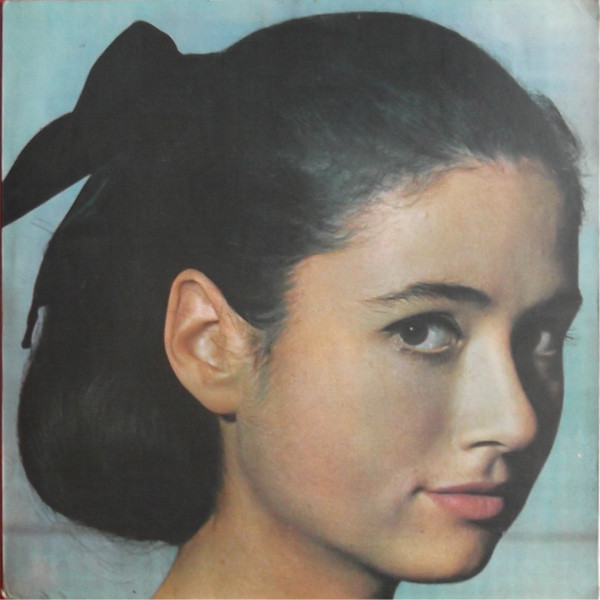
 View Artist