Song Meaning
The lyrics offer a series of goodnights, each directed at a different facet of city life. The opening lines acknowledge the bakers, those who mix water and flour weekly to provide bread for the city. This establishes a tone of weary appreciation for the unseen labor that sustains the urban environment. It’s a quiet nod to the everyday grind, the fundamental work that keeps things going.
The song then shifts to the night watchmen, who are seen taking a coffee break without sounding sirens. This paints a picture of routine, perhaps even a subtle commentary on the relaxed pace or the trust placed in these figures. Following this, the narrator bids goodnight to the thieves and their wives, whose thoughts are occupied all night. This introduces a darker, more complex element, suggesting that even illicit activities are part of the city's constant hum, driven by constant worry or planning.
The most introspective moment arrives with the goodnight to the narrator themselves. They've sung the entire record, and the final thought is whether the listener liked it or not. This self-referential closing highlights the artist's vulnerability and the inherent uncertainty of creative output. The repeated phrase 'E bonanotte' (And goodnight) acts as a recurring motif, a gentle yet definitive punctuation mark for each observation, creating a sense of closure for the day and its inhabitants.
Ultimately, the effectiveness of these lyrics lies in their ability to capture a specific, almost melancholic atmosphere of a city at rest, or perhaps just pausing. By segmenting the goodnights, the song creates a mosaic of urban existence, from the essential workers to the law enforcers and even the criminals, all under the umbrella of a shared nighttime quietude. The final direct address to the listener, coupled with the artist's own self-acknowledgment, grounds the grander city portrait in a personal, relatable act of creation and offering.
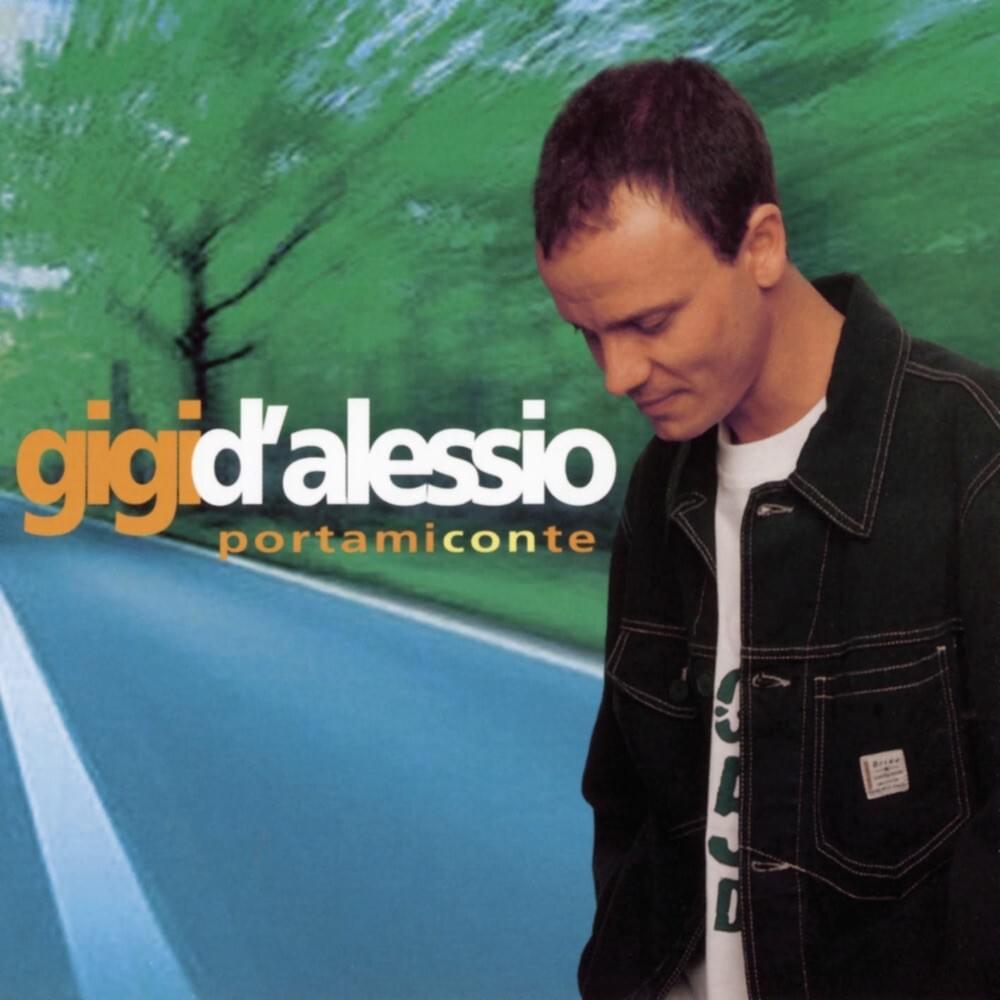
 View Artist