Song Meaning
The lyrics paint a stark, somber picture of a perilous journey, likely a migration, where the sea at night becomes a terrifying mirror of the skin color of those aboard. The boat itself is a vessel of both hope and profound sorrow, carrying individuals away from a disappearing land. A deep sense of longing emerges, not just for a lost home, but for the rhythmic pulse of drums that once guided them, perhaps towards love or a sense of belonging.
Africa is presented as a continent burdened by broken promises and exploited resources, facing external aggression and internal tragedy. The imagery of dying together in a ditch and the sun burning thirst highlights extreme hardship, while the paradoxical phrase "great cage of freedom" suggests a complex reality where liberation might come with its own form of confinement. This section directly confronts the continent's struggles with a raw, unflinching gaze.
The narrative shifts to a lingering presence in a deserted home by the river, where someone "sleeps eternally," a haunting testament to those left behind or lost. The future hinges on the success of this precarious voyage, promising a "new flavor" to tomorrow. Despite the physical separation and the land no longer being truly theirs, a powerful connection to Africa remains, a promise that the heart will always be "in the heart of Africa."
The lyrics conclude with a hopeful, albeit distant, possibility: a prayer rising and carried by the wind to the shores of Africa. This suggests that even from afar, a connection can be maintained, and perhaps redemption or return is possible, carried on the very elements that surround and define the continent. The writing effectively uses contrasting images of despair and enduring connection to convey the deep emotional weight of displacement and identity.
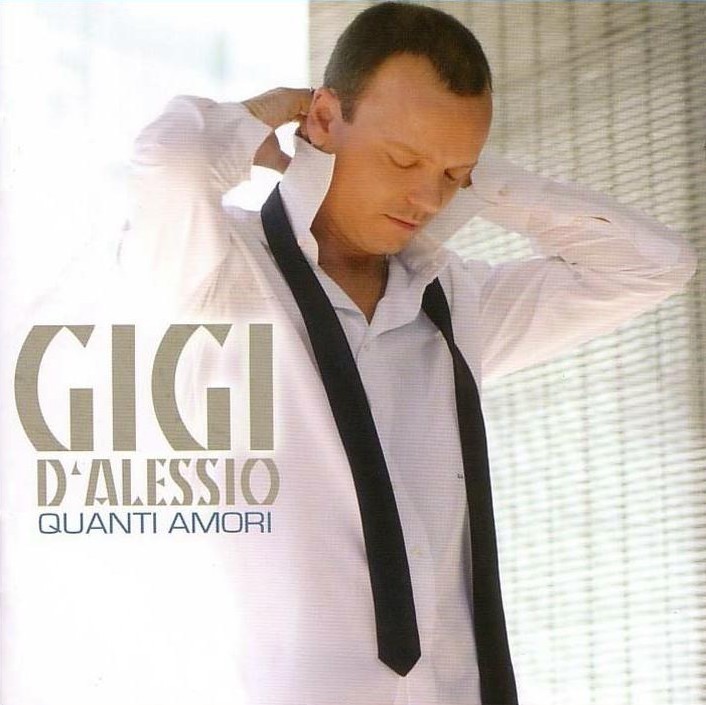
 View Artist