Song Meaning
The lyrics paint a serene, almost suspended scene of "white days," long and quiet like a cool summer. The imagery of "great lonely peace" over a river, with "windows wide open to the blue silence," establishes a mood of profound stillness. This isn't an active, bustling environment, but one where time seems to stretch and quietude is the dominant force.
The central tension lies in the narrator's relationship with this prolonged quietude. While the days are described as "white and empty," the narrator finds it "so easy to bear" their silence. The eyes have "learned to smile" and have stopped rushing the clock's seconds, suggesting a conscious effort to embrace or adapt to this unhurried state. The repeated image of "straight and high bridges between yesterday and tomorrow" reinforces this sense of temporal connection and perhaps a stable, if passive, passage through time.
The most striking craft element is the subtle personification and internal focus. The "heart has grown accustomed to itself," calmly counting its beats. This internal rhythm is then described as "reconciled, giving up, and calming down" to a "sweet, soft rhythm." This self-soothing, like a "baby humming its lullaby before closing its eyes," is a powerful metaphor for finding peace not in external events, but in the quiet acceptance of one's own internal state, even as the external world (the mother ceasing her song) has quieted.
This lyrical passage achieves its effect through a masterful blend of expansive, tranquil imagery and intimate, internal reflection. The contrast between the vastness of the "blue silence" and the quiet counting of heartbeats creates a unique emotional space. It suggests that true peace can be found not in the absence of activity, but in the gentle, deliberate acceptance of stillness and one's own inner workings, a quiet triumph over the potential emptiness.
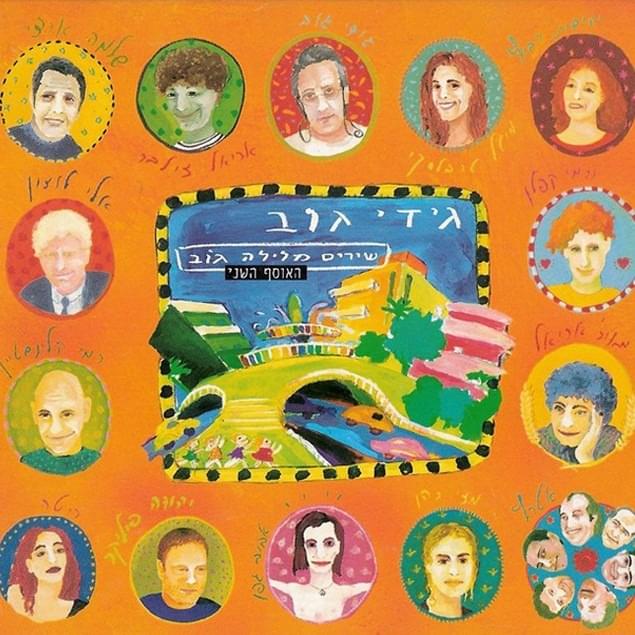
 View Artist