Song Meaning
The lyrics paint a portrait of a woman who stands out in a world accustomed to negativity. She's described as "una che dice di si" – someone who says yes – in contrast to a world that "si abituò a dir di no" (got used to saying no). This fundamental difference sets her apart, suggesting a resilient spirit that hasn't been hardened by cynicism. The narrator observes her unique way of living, noting she "ha sempre amato ma / Non hai domandato mai" (always loved but never asked), implying a pure, perhaps unconditional, approach to affection.
The central tension arises from the narrator's struggle to navigate a harsh reality, a "terra, che ormai tu lo sai / Gioca alla guerra" (land that, you know, plays war). He finds solace and a path to survival through her influence. She teaches him that "sopravivere / Non è così difficile" (surviving isn't so difficult) when he has someone like her by his side. This suggests her affirmative outlook is not just a personal trait but a life-giving force that can counteract external conflict and internal doubt.
The most striking aspect is the repeated affirmation, "Io ti dirò di si" (I will say yes to you). This isn't just a passive agreement; it's an active choice mirroring her own affirmative nature. The narrator is inspired to adopt her perspective, choosing to "respirare / Un pò d'ossigeno" (breathe some oxygen) and "evitare qualche amore inutile" (avoid some useless love). His own declaration of "yes" becomes a commitment to embracing her way of life and love, a direct response to her unwavering positivity.
Ultimately, the lyrics resonate because they capture the profound impact one person's outlook can have on another's. The narrator finds not just love but a blueprint for resilience in a woman who consistently chooses affirmation over negation. Her simple, yet powerful, act of saying yes becomes the key to his own survival and his ultimate declaration of devotion, making her his "donna" (woman) he will "sempre amerò" (always love).
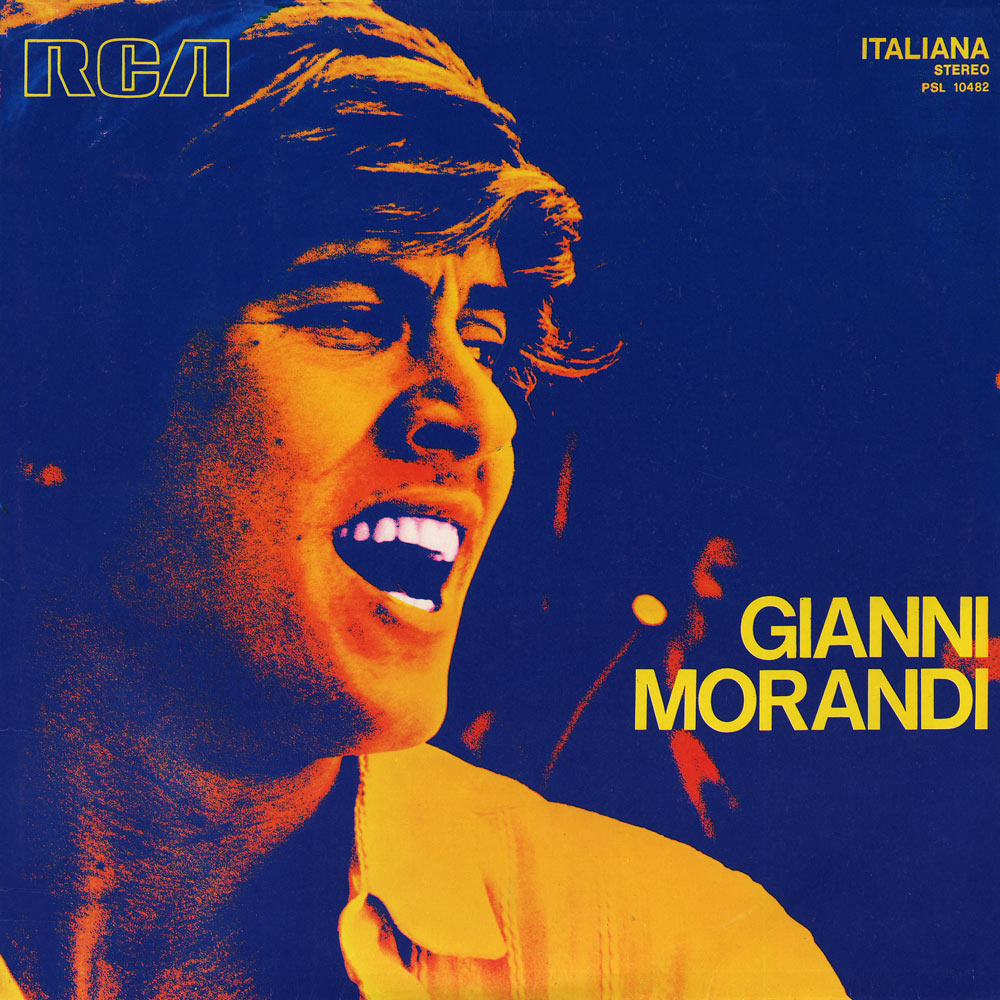
 View Artist