Song Meaning
The narrator feels incomplete, stating "Non sono un uomo ancor" – I am not yet a man. This sense of arrested development is directly tied to the other person, described as "Sei troppo donna tu" – You are too much woman. The core tension arises from this perceived imbalance, where the narrator craves a deeper connection than what is offered. He feels he loves more intensely, "Che t'amo sempre di più" – How I love you more and more, yet receives only "tanta tenerezza" – so much tenderness.
This tenderness, while present, is ultimately insufficient for the narrator's needs. He explicitly states, "Non voglio solo tenerezza" – I don't want only tenderness, and laments that the other person "non mi parli mai d'amor" – never speaks to me of love. The repeated phrase "Ma tu non vuoi / Non è che tu non vuoi / Confessare che m'ami" – But you don't want / It's not that you don't want / To confess that you love me – highlights a specific, frustrating refusal. It suggests a withholding of verbal affirmation, a crucial element for the narrator's sense of being a complete man in love.
The lyrics employ a stark contrast between the narrator's declared love and the perceived emotional distance of the other. The narrator places immense value on this person, declaring "Non ho niente al mondo / Più grande di te" – I have nothing in the world / Bigger than you. Yet, this profound sentiment is met with a lack of reciprocal declaration. The phrase "Perché l'amore non ha età" – Because love has no age – appears as a plea, suggesting that the other person's hesitation might stem from a misguided belief that their feelings are too immature or perhaps that the narrator’s own feelings are too young to be taken seriously.
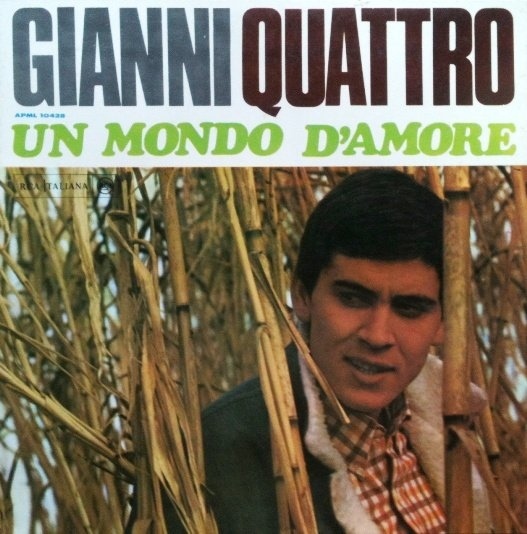
 View Artist