Song Meaning
The narrator is consumed by the fear of losing a loved one, fixating on subtle cues rather than spoken words. The lyrics paint a picture of intense vulnerability, where the future of the relationship hinges on unspoken signals. The central tension arises from this reliance on visual interpretation, suggesting a deep-seated anxiety about communication breakdown. It seems the narrator believes true feelings will manifest physically, rendering verbal assurances obsolete.
The repeated phrase "Le parole non serviranno più" (The words won't be needed anymore) underscores this distrust of language. Instead, the narrator seeks confirmation in "Nei tuoi occhi" (In your eyes) and "Sul tuo viso" (On your face). This focus on facial expressions and eye contact highlights a desperate need for tangible proof of affection, as if love itself is a visible entity that can be seen departing or remaining.
The lyrics build to a poignant plea, "Dimmi ancora amore mio se tu non / Mi lascerai" (Tell me again my love if you won't / Leave me). This direct question, juxtaposed with the earlier assertion that words won't matter, reveals the narrator's internal conflict. The fear of loss is so profound that they crave reassurance, even while believing such words are ultimately meaningless compared to what they might see in their partner's expression.
This intense emotional landscape is effective because it captures a universal human fear of abandonment, amplified by a specific, almost obsessive, focus on non-verbal communication. The repetition of "per sempre" (forever) at the end, especially after the prospect of being "Molto triste sarò se perduta ti avrò" (Very sad I will be if I have you lost), creates a haunting echo of the narrator's deepest anxieties and desires.
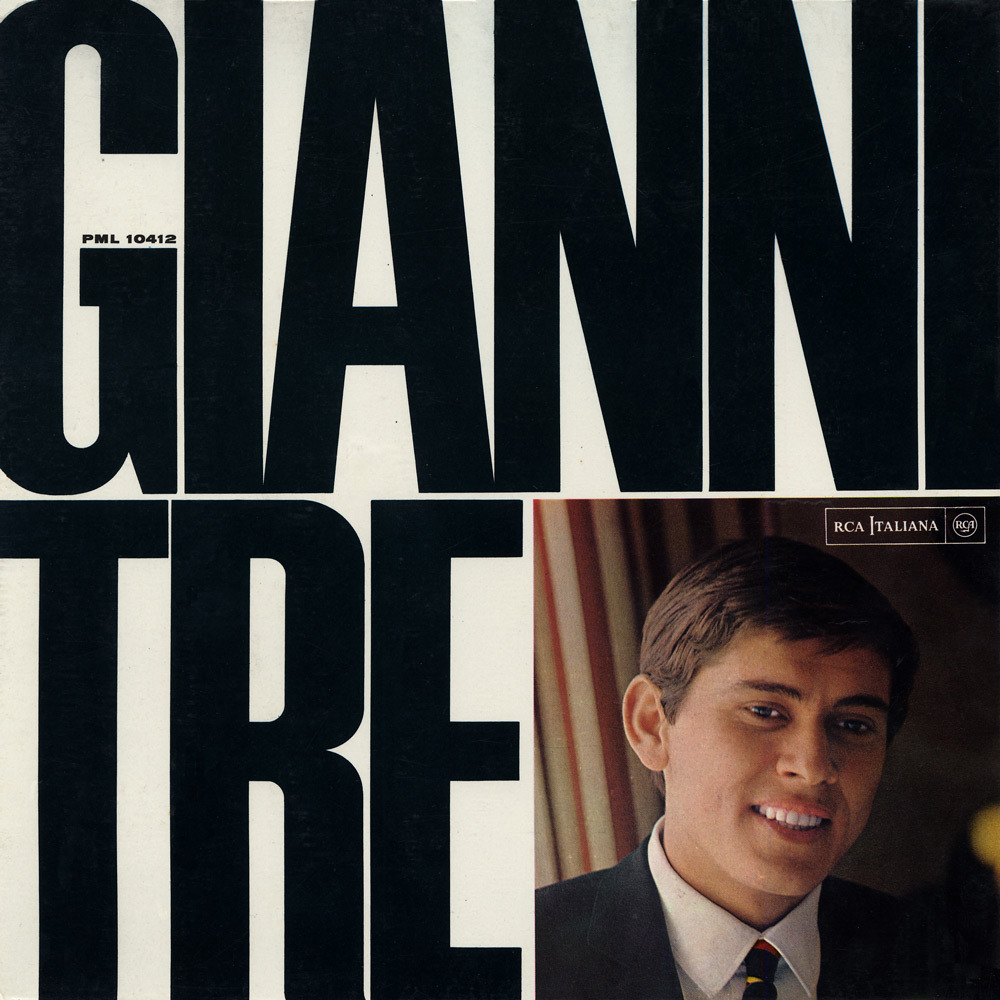
 View Artist