Song Meaning
The lyrics paint a stark picture of isolation, contrasting a warm, dream-filled interior with a cold, lonely exterior. The narrator is outside, feeling the chill, but the true sadness isn't the physical discomfort. It's the realization that love is fading and people are becoming self-centered, a sentiment that seems to be a harsh awakening from a more hopeful past. This sets up a profound sense of disconnection.
The central tension arises from the narrator's declaration of a dying love and a collapsing world, juxtaposed with an intense affirmation of life. Despite the external bleakness and personal suffering, the narrator claims to love life more than ever. This isn't a simple contradiction; it suggests a fierce, almost defiant embrace of existence precisely *because* of the pain and the perceived selfishness around them.
The recurring phrase "Ognuno pensa solo a se stesso" (Everyone thinks only of themselves) anchors the feeling of disillusionment. It’s repeated in both verses, reinforcing the idea that this self-absorption is the root cause of the narrator's sorrow and the perceived death of love. The rain, "Scende la pioggia ma che fa" (The rain falls, but so what?), acts as a backdrop, a seemingly indifferent force against the internal turmoil and the external world's decay.
What makes these lyrics resonate is this raw, almost paradoxical embrace of life amidst despair. The narrator isn't just sad; they are actively choosing to cherish their own existence, perhaps as a form of rebellion against the perceived coldness and self-interest. The intensity of "Amo la vita più che mai" (I love life more than ever) feels earned, a hard-won perspective born from experiencing the opposite.
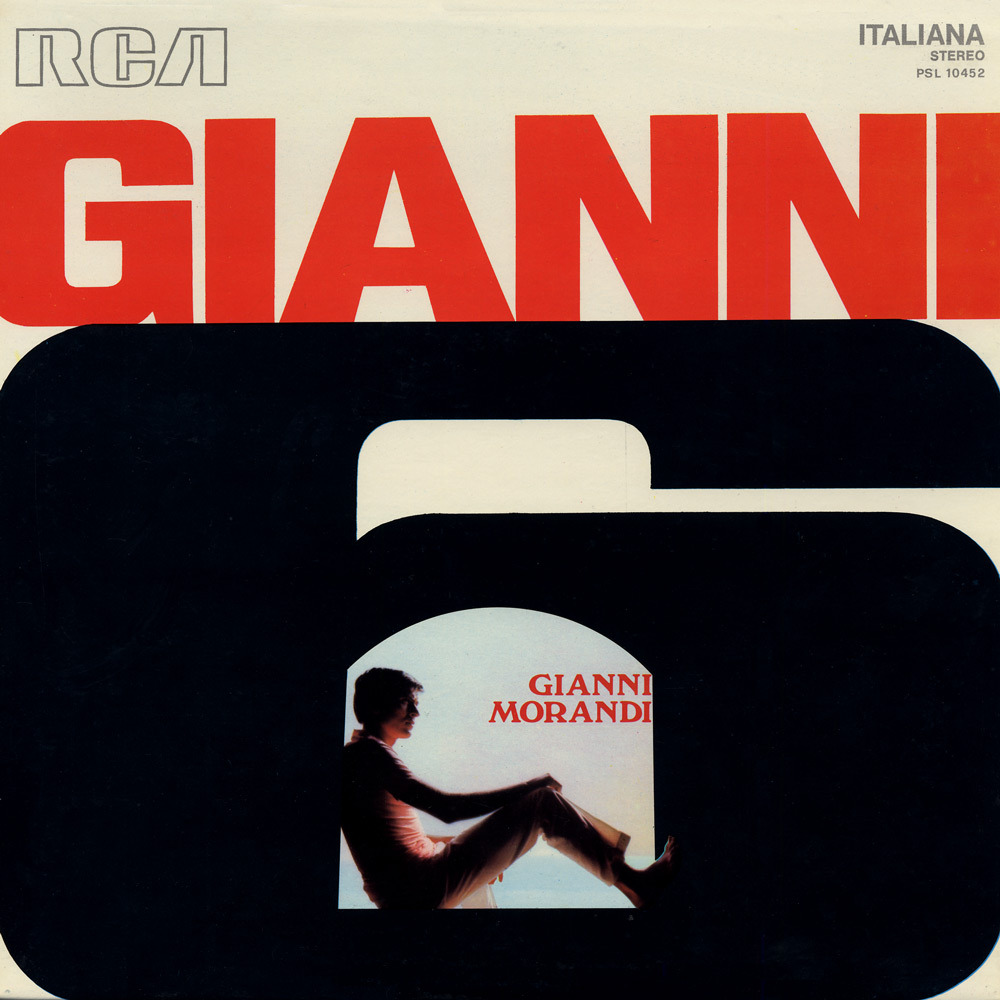
 View Artist