Song Meaning
The lyrics paint a stark picture of impending separation and the narrator's enduring, one-sided devotion. The opening lines immediately establish a sense of resignation: "Quando sarai lontana / Mi avrai dimenticato." This isn't a plea or a struggle, but a quiet acknowledgment of loss, tinged with the certainty that the narrator will be the one left behind, "Ed io ti avrò perduta lo so." The emotional core is the narrator's inability to move on, contrasting sharply with the anticipated ease with which the other person will find comfort.
The central tension lies in the narrator's singular focus on the departing person, while simultaneously recognizing that this person will be surrounded by others. "Ce ne saranno tanti / Che ti consoleranno" highlights this disparity. The narrator's pain stems from this imbalance: "Io non avrò nessuna perché / Voglio sempre bene a te." This isn't just about being alone; it's about being alone *because* of an unwavering love for someone who has moved on.
The lyrics suggest a cynical view of future relationships for the departing person, presented through the idea that others will "parleranno di amori facili." These new connections aim to trivialize love, teaching the other person "che dell'amore si deve ridere." This external influence is deeply personal to the narrator, as it leads to mockery: "E rideranno di me, riderete di me." The repetition of "rideranno" underscores the narrator's fear of being ridiculed for their persistent, perhaps unfashionable, depth of feeling.
What makes these lyrics resonate is the raw vulnerability and the clear articulation of unrequited, unchanging affection. The narrator's fate is sealed not by external circumstances, but by their own internal compass, which remains fixed on the person who has left. The simple, direct language and the recurring refrain "Voglio sempre bene a te" create a powerful sense of melancholic finality, emphasizing the narrator's solitary, loving vigil.
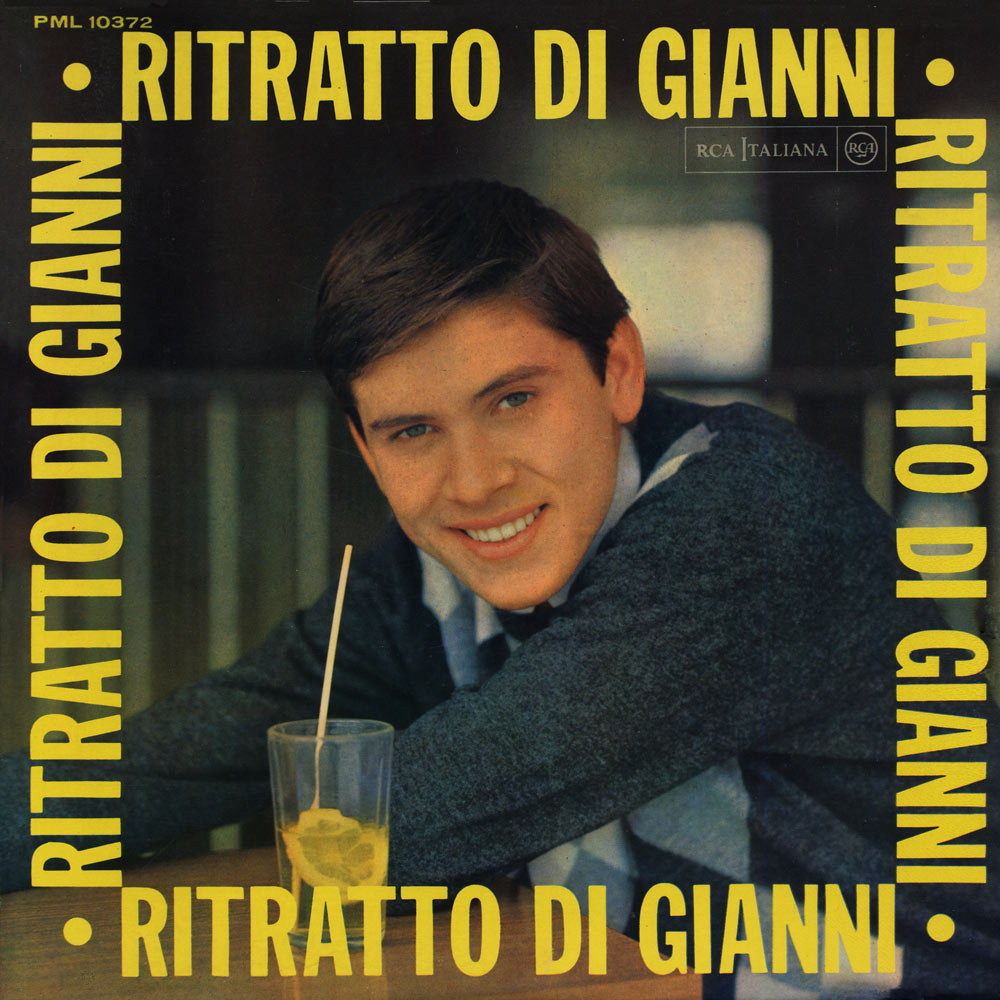
 View Artist