Song Meaning
The lyrics paint a stark picture of an unexpected departure, framing it as a beginning that’s actually an end. The narrator grapples with the immediate aftermath, feeling a profound sense of disorientation and questioning their own identity in the wake of the goodbye. The tangible presence of a suitcase becomes a heavy symbol, casting a shadow over a once-cherished memory of a kiss, making the finality of never seeing the other person again feel surreal.
The core tension lies in the narrator's forced acceptance of the separation. There's a resigned plea for the departing person to go, coupled with a fragile assertion of self-sufficiency: "In qualche modo io faro'." Yet, this resolve is immediately undercut by the bleakness of their immediate future, contemplating solitary activities like seeing friends or, more poignantly, talking to the bookshelf. The recurring phrase "Quando non ci sarai" (When you won't be here) hangs heavy, emphasizing the profound emptiness left behind.
The writing masterfully juxtaposes grand, shared dreams with the current solitary reality. The memory of watching a comet and discussing the future, with the couple feeling like "due giganti piccolissimi noi" (two tiny giants), highlights the vastness of their past aspirations against the narrator's current state of becoming "solo" (alone). This contrast amplifies the sense of loss, making the instruction to "Fatti l'inventario dei ricordi" (Take inventory of your memories) a desperate attempt to hold onto what was.
Ultimately, the lyrics resonate because they capture the quiet, almost mundane devastation of a breakup. The advice to the departing person to "Vai senza piu' pesi" (Go without more weight) and to embrace a new love, as long as it's true, reveals a complex mix of letting go and a lingering, albeit distant, hope for genuine happiness for the other person. The repeated final lines, "Basta che un altro amore / Amore vero sia" (Just that another love / Is a true love), underscore a profound, almost selfless wish for their future, even as the narrator faces their own solitude.
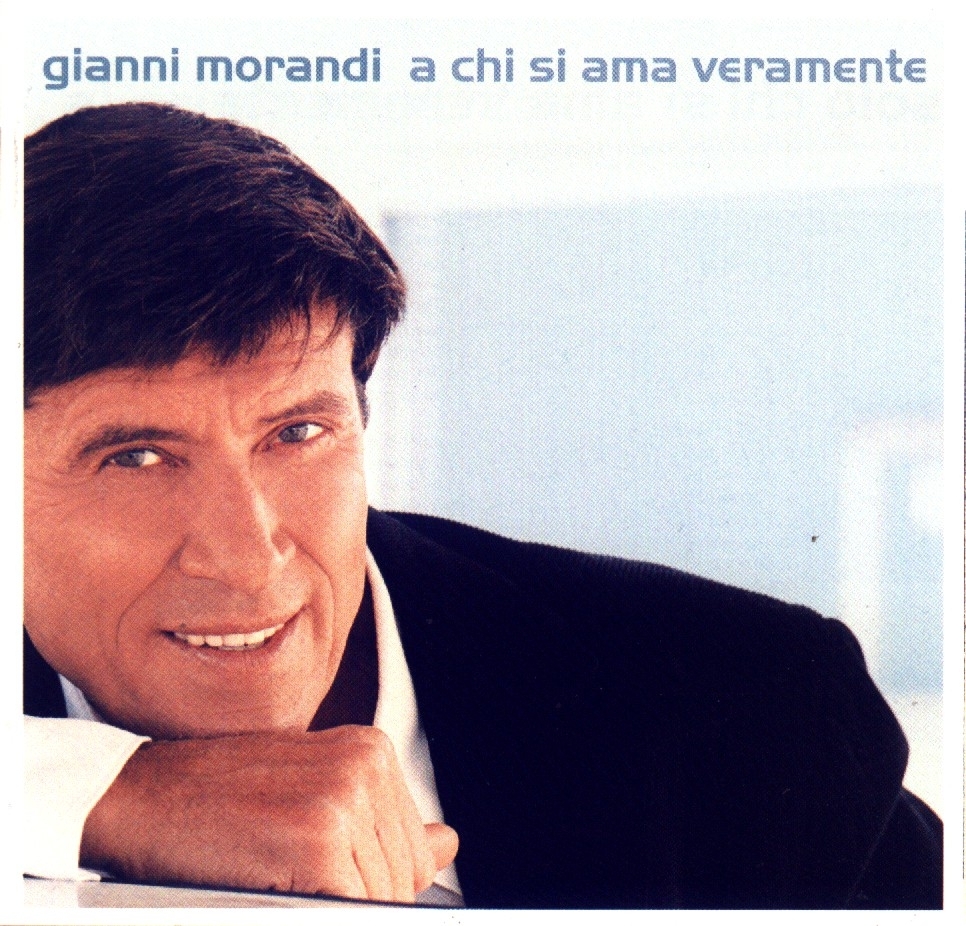
 View Artist