Song Meaning
The lyrics paint a stark picture of a relationship's slow, painful demise, where one partner feels an unreciprocated weariness. The narrator insists they still love everything about their partner, even as the connection frays. This creates an immediate tension: the narrator's desperate clinging against the undeniable distance and the partner's apparent disinterest, highlighted by the line "Perchè tu sei stanca di me." The setting is intimate yet hollow: "E noi seduti qua / Con la testa dove sei," suggesting a physical presence devoid of emotional connection.
The central conflict is the narrator's profound dependence versus the partner's growing detachment and potential infidelity. The narrator fears their own self-destruction without their partner, stating "Sai senza te mi odierei / Mi rovinerei." This dependency is amplified by the partner's perceived strength in someone else's arms: "Sei forte tra le braccia sue / E invece io non sento piu' le mie." The lyrics suggest a painful awareness that the relationship is over, yet the narrator struggles to accept it, pleading for a denial of reality: "Dimmi che ho fatto un brutto sogno / Dammi un pugno."
A striking image is the fallen rose petals, a metaphor for the decay of their love: "Noi quante rose e poi / Son caduti a terra i petali." This contrasts sharply with the partner's perceived ability to inflict deep emotional wounds, as if with thorns: "E tu con le spine che hai / Tu lo sai che mi hai forato il cuore." The recurring refrain, "Ma la vita insegna a vivere / Non smette mai," acts as a somber, almost resigned acknowledgment of life's harsh lessons, implying that this painful experience is simply another part of that ongoing education.
These lyrics resonate because they capture the raw vulnerability of unrequited love and the terror of abandonment. The narrator's desperate plea and self-professed inability to cope without their partner, juxtaposed with the partner's apparent indifference, creates a palpable sense of heartbreak. The writing effectively uses simple, direct language to convey profound emotional pain, making the narrator's dependence and the relationship's collapse feel intensely personal and devastating.
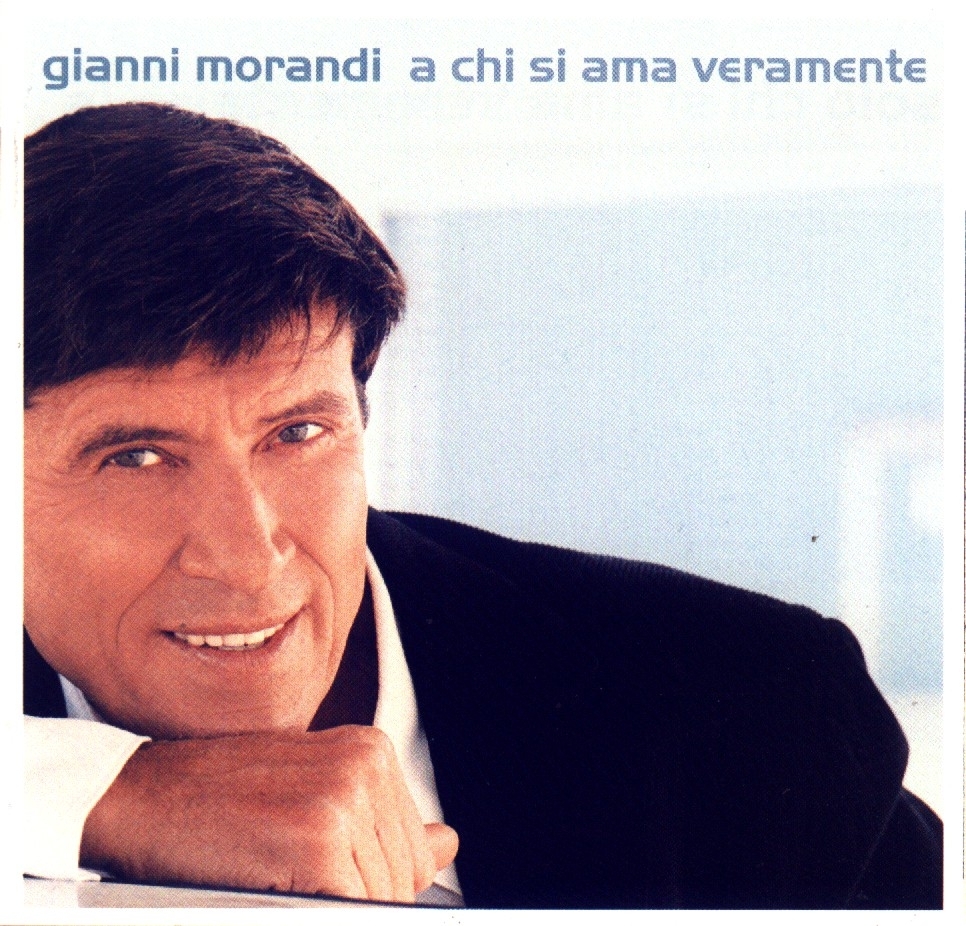
 View Artist