Song Meaning
This track paints a picture of a relationship defined by constant conflict, yet bound by an undeniable, almost magnetic pull. The narrator lists a barrage of grievances – stubbornness, neuroses, fear, jealousy, and a daily desire to 'devour' them – all framed by the persistent phrase 'nonostante te' (despite you). It’s a litany of reasons why this connection *should* be over, yet the core of the song lies in the paradox that follows. The narrator admits to fleeing, only to always return, highlighting a dynamic of push and pull that fuels the entire narrative.
This internal war is precisely what makes the relationship so potent. The lyrics declare, "Sei tu la mia nemica amatissima" (You are my most beloved enemy) and "Noi sempre in guerra ormai" (We are always at war now). This isn't just a casual spat; it's a fundamental state of being for these two individuals. The narrator even calls the other person their "rivale bellissima" (beautiful rival), a phrase that elevates the conflict beyond mere annoyance to a form of intense, almost admiring competition. The very act of being enemies becomes a source of their connection.
The most striking aspect of the writing is how it transforms conflict into a form of deep intimacy. The narrator states, "Perché il tempo tuo è anche mio" (Because your time is also mine) and describes them as "Uniti saldati come sbarre d'acciaio" (United, welded like steel bars). This imagery suggests an unbreakable bond, forged in the heat of their battles. Even their arguments, which end in 'scivoloni' (slipping up, going off track), are described as 'sparando scintille rallegrando il buio' (shooting sparks, brightening the dark). The negativity is reframed as a source of energy and light.
Ultimately, the lyrics resonate because they capture the messy, complicated reality of intense relationships. It’s not about finding peace, but about finding a profound connection *within* the chaos. The final lines, "Vorrei dirti che ti amo senza pudore / Con un po' di odio ma senza rancore" (I would like to tell you I love you without shame / With a bit of hate but without resentment), perfectly encapsulate this duality. It’s a love that exists alongside, and perhaps because of, the animosity, making the bond feel earned and deeply, strangely, real.
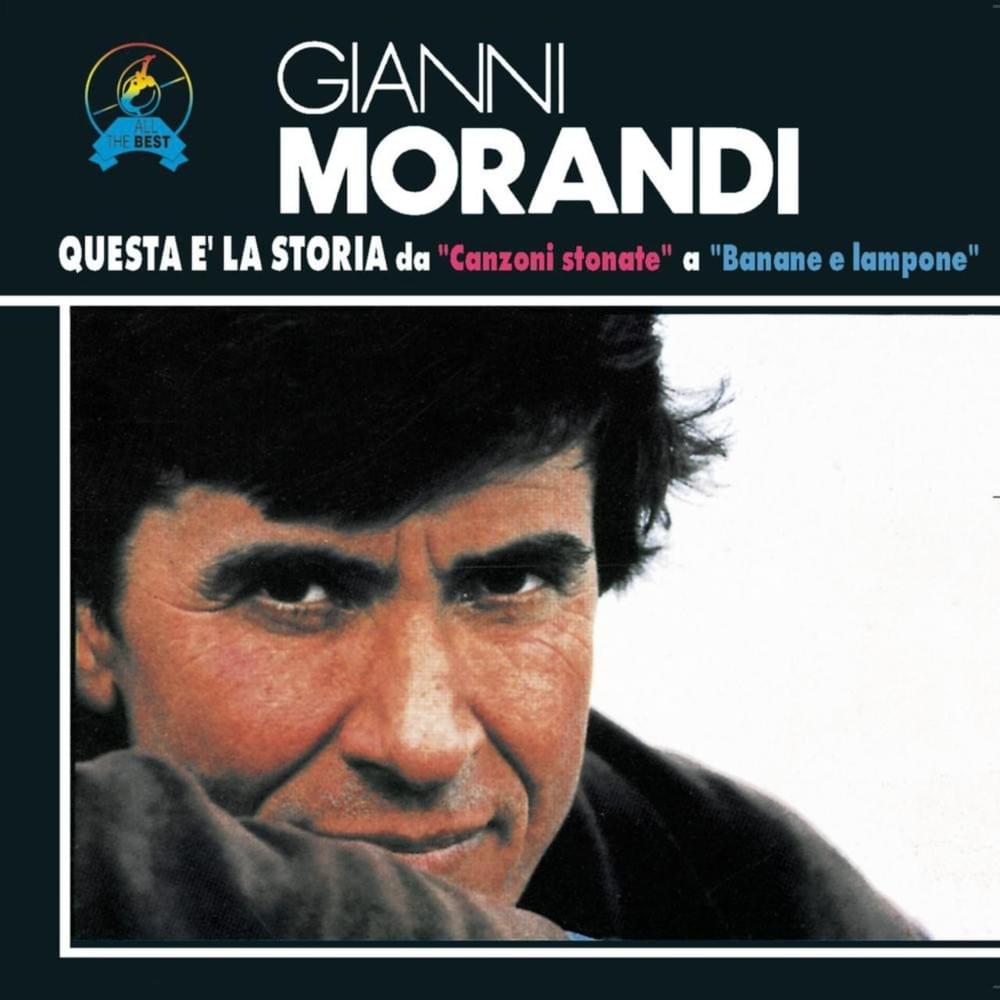
 View Artist