Song Meaning
Gianna Nannini's "Pugni chiusi" is a raw, operatic plunge into despair and a desperate clawing towards hope. The opening lines paint a bleak landscape: clenched fists ("pugni chiusi"), lost hope, and a soul mired in the "blackest night." It's a portrait of profound isolation, a self-identification with stone, suggesting an emotional hardening as a defense mechanism against further pain. The repetition of "Pugni chiusi.../Perduto per sempre!" amplifies the feeling of irrevocable loss, a sense that life has lost all meaning. This isn't just sadness; it's a visceral scream of abandonment. The fists, in this context, are not symbols of aggression, but of a powerless, internal struggle.
But Nannini doesn't leave us in the abyss. A lifeline emerges in the form of a redemptive "you." This person is not just a lover; they are the antidote to the darkness, the "clear water" and "warm sun" that can thaw the singer's frozen soul. The plea, "Torna/Torna qui da me" isn't a simple request; it's a primal scream for rescue. The song pivots from a declaration of hopelessness to a fervent prayer for reconnection, highlighting the crucial role another person plays in the singer's capacity to experience life.
The arrival of dawn and the image of the loved one's face being drawn by a ray of sunlight signal a shift from despair to a fragile, nascent hope. The clenched fists give way to joined hands ("mani giunte"), symbolizing unity and a renewed embrace of life itself. This transformation, however, feels conditional. The final lines, "E abbraccio la vita con te" (And I embrace life with you), underscore the dependency on the other for the ability to experience joy and meaning. Ultimately, "Pugni chiusi" is a powerful exploration of the human need for connection in the face of overwhelming darkness, and the possibility of finding salvation in another's presence.
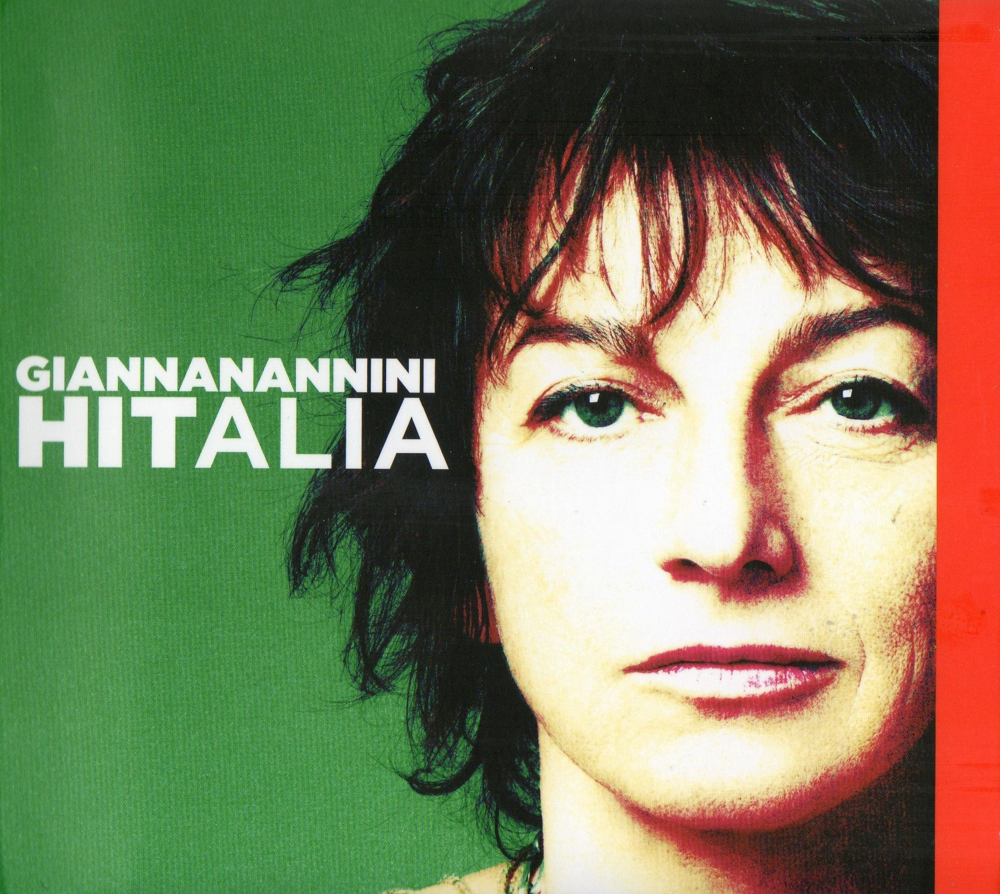
 View Artist