Song Meaning
Gianna Nannini's "Perché" isn't just a question; it's a raw, exposed nerve throbbing with the ache of longing. The repeated "Perché?" (Why?) isn't seeking a logical answer, but rather a desperate plea hurled into the void of lost connection. It's the sound of someone grappling with the inexplicable absence of a lover, a void that practical explanations simply can't fill. The lyrics paint a picture of past ecstasy – "dolcezza delle parole," "ebrezza da luna park" – a dizzying high that now serves as a cruel reminder of what's been lost. This isn't a calm reflection; it's an active, painful excavation of a love that's become a haunting ghost. The singer clings to fragments – a lingering emotion, a recurring song, the memory of a smile and breath – desperately trying to resurrect the shattered whole. This act of clinging itself speaks volumes about the depth of the wound.
The song's power lies in its unflinching portrayal of vulnerability. Nannini doesn't shy away from the raw, almost desperate tone as she confronts the torment of separation. The lines "Forse ho buttato via la chiave / Io da te non esco più!" suggest a self-awareness, a recognition that the singer may be trapped within the memory of the relationship, unable or unwilling to move on. This isn't just heartbreak; it's a self-imposed imprisonment within the echoes of a lost love. The repeated refrain, "C'è un emozione che hai lasciato qui / E una canzone ritorna a prendermi," highlights the cyclical nature of grief, how certain sensory experiences can trigger a painful reliving of the past.
However, the most cutting lines are "Emozione criminale / Stare senza te!" Here, the absence of the loved one is not just painful, but a violation, almost a crime against the singer's emotional well-being. The declaration "Mi fa male / Non tremare" captures the struggle to maintain composure in the face of overwhelming pain. It’s a testament to the internal battle between wanting to appear strong and the undeniable reality of being shattered. Ultimately, "Perché" is a visceral exploration of love's darker side, the agonizing aftermath when the promised "eterno io e te" crumbles into a hollow, unanswered question.
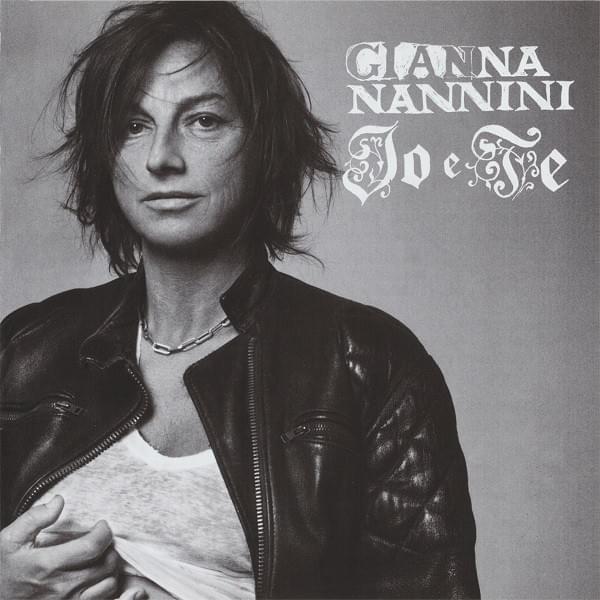
 View Artist