Song Meaning
Gianna Nannini's "Ologramma" isn't just a song; it's a sonic excavation of the subconscious, a journey through the landscape of dreams where reality blurs and emotions run raw. The recurring motif of dreams being "real" serves as the cornerstone of the song's meaning, suggesting that our inner worlds hold a truth often obscured by the harsh light of day. The lyrics paint a portrait of a relationship, or perhaps a connection to the self, that exists beyond the constraints of the physical world, a bond forged in the crucible of shared experiences and unspoken understanding. The phrase "ti leggo nei pensieri / dopo tutto questo tempo" ("I read you in thoughts / after all this time") hints at an intimacy that transcends mere words, a telepathic resonance between two souls. The persistent image of rain and the defiant declaration of survival – "E se dio non vuole io sopravvivo a questa rabbia, a questo cielo che brilla nero" ("And if God doesn't want, I still survive this rage, this sky that shines black") – underscores a fierce resilience in the face of adversity.
Nannini explores the paradoxical nature of dreams as both sanctuaries and battlegrounds. The line "Non esistono misteri nei sogni" ("There are no mysteries in dreams") suggests a radical honesty within the dream state, a space where hidden desires and unresolved conflicts come to the surface. The presence of another person – a "piccola gioia" ("little joy") – offers solace and a sense of grounding amidst the turmoil. The lyrics acknowledge the potential for self-loss in the pursuit of this connection ("Per stare dietro a te / Mi perderei" – "To stay behind you / I would lose myself"), yet celebrate the unexpected discovery of oneself through the other's eyes ("E mi hai trovato tu senza volere" – "And you found me without wanting to"). This speaks to the transformative power of love and the possibility of finding wholeness in shared vulnerability.
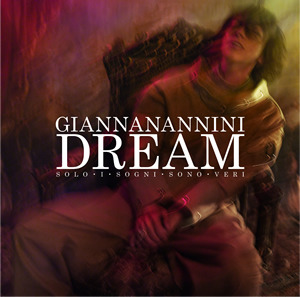
Ultimately, the song meaning of "Ologramma" rests on the idea that dreams provide access to a deeper, more authentic reality. The repeating lines "Solo i sogni, i sogni sono veri" and "Solo i sogni abbiamo" ("Only dreams, dreams are real" and "Only dreams we have") emphasize the importance of embracing our inner lives, even when they are fraught with pain and uncertainty. The concluding lines, with their imagery of survival in "inferno" and "gabbia" ("hell" and "cage") and eventual return, suggest a cyclical journey of self-discovery and renewal. The song suggests that even in the darkest of times, the power of dreams and the enduring strength of human connection can offer a path toward liberation and transcendence.
 View Artist