Song Meaning
Gianna Nannini's "Mura Mura" isn't just a song; it's a visceral depiction of psychological imprisonment. The opening lines, "Tocco intorno, con le mani affondo / Più non esco via di qui," immediately establish a sense of being trapped, not necessarily in a physical space, but within the confines of one's own mind. The contrast between blindness and inner light ("Chiudo gli occhi, sono cieca o vedo / Luce dentro me") suggests an internal struggle, a desperate search for hope amidst despair. The repetition of "luce," "aria," and later "sole" and "muro" takes on a mantra-like quality, underscoring the obsessive nature of this internal conflict.
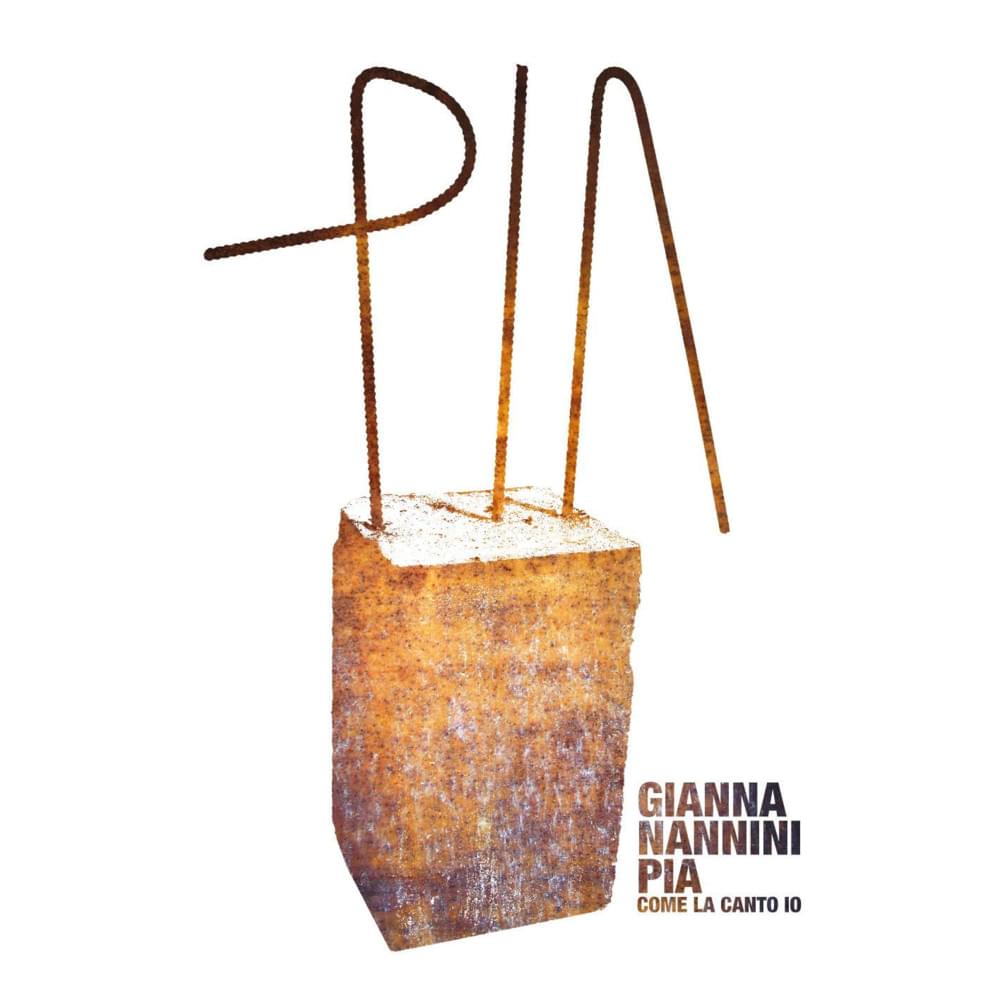
The recurring motif of walls ("Mura mura mura") symbolizes the barriers, both real and imagined, that prevent the narrator from escaping her mental anguish. The lyrics, "Nelle mie notti non c'è più la luna," evoke a sense of perpetual darkness and emotional isolation, suggesting a loss of guidance and comfort. The imagery becomes increasingly stark and claustrophobic with references to iron bars and silent stones ("Ferro ferro ferro freddo, ferro ferro dentro, ferro ferro / Pietra pietra pietra chiusa, pietra pietra muta, pietra pietra"), amplifying the feeling of being trapped and suffocated.
What elevates "Mura Mura" beyond a simple lament is its psychological nuance. Nannini astutely points out that the true prison isn't the physical confinement, but the inability to find solace within oneself: "Prigione mica è dentro, prigione mica è quello / È non potersi chiudere dentro." This is a powerful statement about the nature of mental illness, suggesting that the most debilitating aspect is the lack of internal refuge, the inability to find peace and safety within one's own mind. The song's genius lies in its ability to convey this complex psychological state through raw, emotive lyrics and a haunting melody, leaving the listener with a chilling understanding of the true meaning of imprisonment.
 View Artist