Song Meaning
Gianna Nannini's "Io che non vivo senza te" isn't just a love song; it's a raw, almost desperate plea born from the precipice of a relationship's potential end. The opening lines immediately set a stage heavy with unspoken anxieties. It's "noi soli," just the two of them, but the atmosphere is poisoned by the partner's sadness, a sadness the narrator acutely perceives. The quiet dread hangs thick as the singer anticipates the dreaded words – unhappiness, change, and the threat of abandonment. This isn't a celebration of love; it's an intervention.
The core of the song, and the key to its meaning, lies in the repeated refrain: "Io che non vivo più di un'ora senza te / Come posso stare una vita senza te?" This isn't merely affection; it's a declaration of utter dependence, bordering on obsession. The phrase transcends romantic devotion, suggesting an almost pathological need. The possessive assertion, "Sei mia," underscores this possessiveness, hinting at a potentially unhealthy dynamic where the narrator views their partner as an extension of themself rather than an independent individual. It's a primal scream against the void of separation.
Analyzing the lyrics further, the lines "Vieni qui ascoltami / Io ti voglio bene / Te ne prego fermati / Ancora insieme a me" expose the vulnerability beneath the bravado. The narrator begs, not from a position of strength, but from a place of profound fear. They understand the relationship is fracturing, and their declaration of love is laced with desperation, a last-ditch attempt to prevent the inevitable. The song's meaning ultimately rests on this tension between love and dependency, painting a portrait of a relationship teetering on the edge, fueled by an almost unsustainable emotional need.
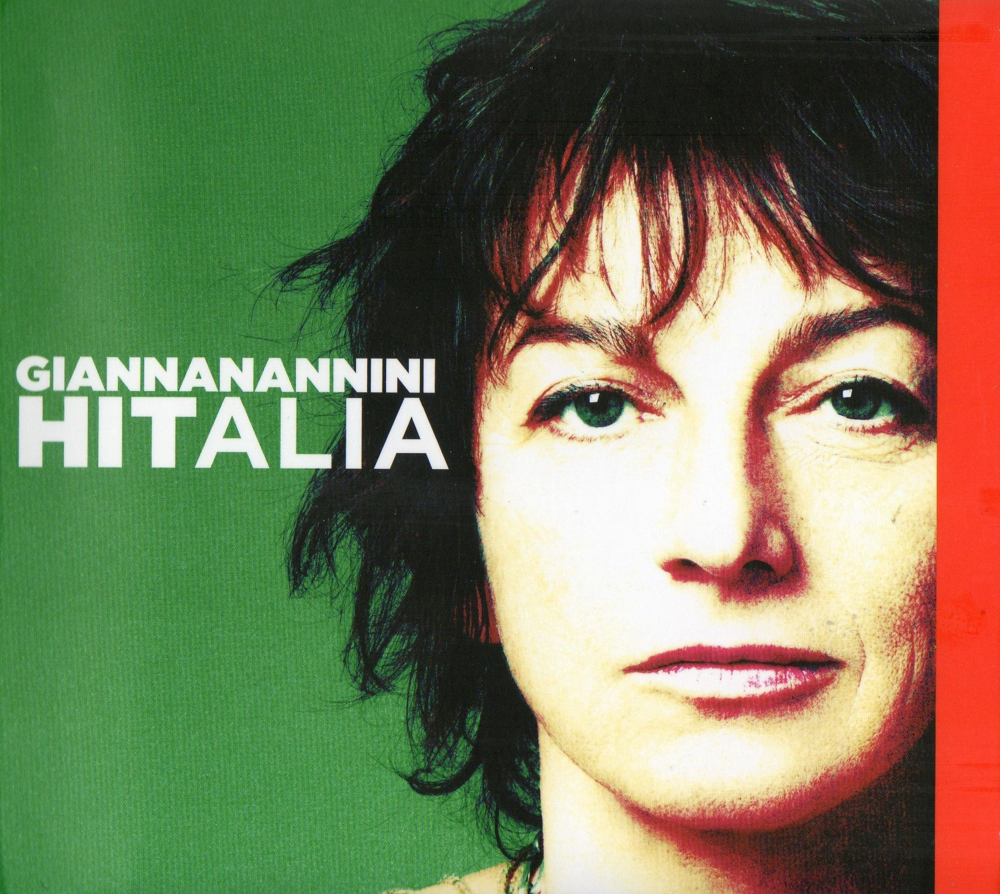
 View Artist