Song Meaning
Gianna Nannini's "Io che amo solo te" isn't just a love song; it's a stark declaration of devotion against a backdrop of worldly temptations. The song's power lies in its simplicity, contrasting the protagonist's singular focus with the wandering desires of others. Nannini immediately sets up a dichotomy: "C'è gente che ha avuto mille cose...Io ho avuto solo te." This isn't a lament, but a conscious choice, a rejection of the chaotic pursuit of endless experiences in favor of a grounded, unwavering love. The lyrics suggest a quiet rebellion against the societal pressure to constantly seek novelty, framing monogamy not as a limitation, but as a profound act of self-definition. It's a mature love, one that acknowledges the allure of "nuove avventure" and "nuove illusioni," yet chooses steadfastness. The repetition of "Io che amo solo te" acts as a mantra, reinforcing the commitment at the song's core.
The emotional weight of "Io che amo solo te" is further amplified by the acknowledgment of time and sacrifice. The singer offers "quel che resta della mia gioventù," a poignant recognition that love isn't just about infatuation, but about dedicating one's very being, even as it evolves. This isn't the naive promise of eternal youth, but the mature offering of lived experience. The song hints at a past, perhaps one filled with its own set of temptations, making the present commitment all the more meaningful. This isn't about a love that's untouched by the world, but a love that has actively chosen itself in spite of it.
Ultimately, the song meaning of "Io che amo solo te" resonates because it taps into a universal longing for authentic connection in an age of endless options. Gianna Nannini's performance elevates the simple lyrics, infusing them with a raw vulnerability that makes the declaration of devotion all the more believable. The song's genius resides in portraying a love that is both a choice and a refuge, a place of stillness in a world that constantly urges us to move on. The lyrics analysis reveals that this isn't a passive acceptance of fate, but an active embrace of a love that defines and anchors the singer.
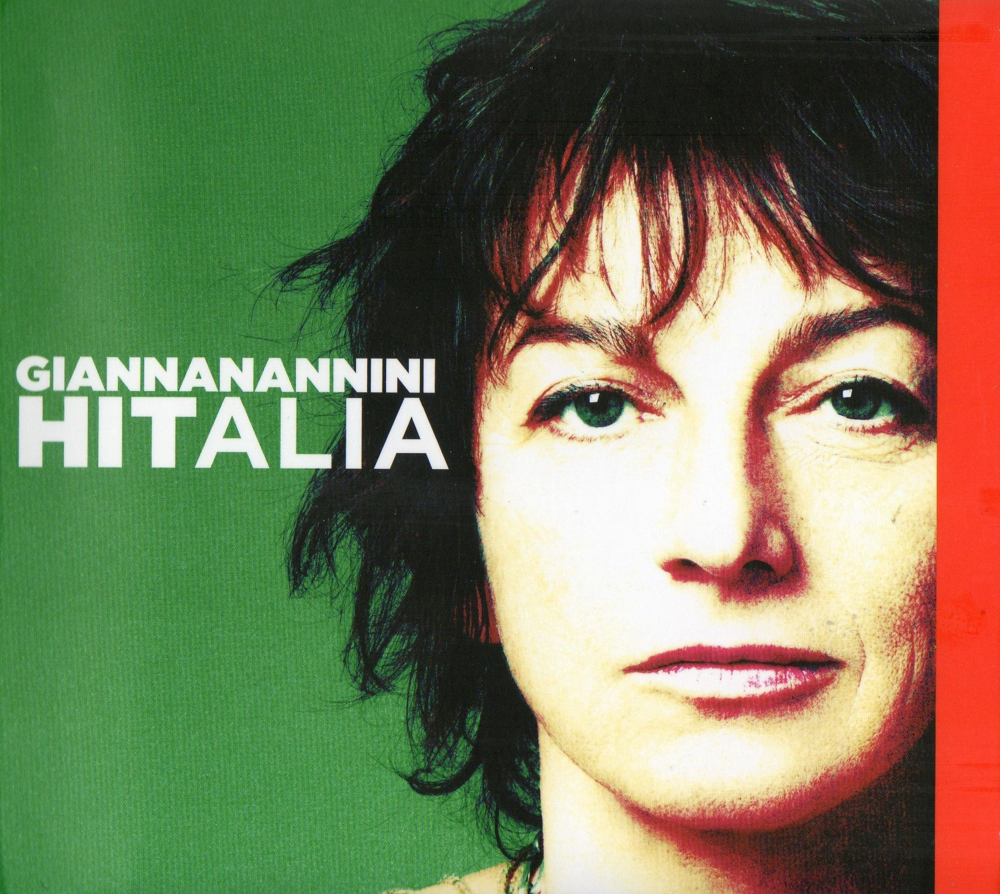
 View Artist