Song Meaning
Gianna Nannini's "I Wanna Die 4 U" isn't a straightforward death wish, but a raw, almost desperate declaration of codependency. The lyrics, sung in Italian with the refrain in English, paint a picture of two souls intertwined, where one's suffering mirrors the other's. The opening lines, "Non ci crederai neanche se lo vuoi/Forse il tuo malessere è il mio" immediately establish this shared pain, suggesting a bond so profound that individual suffering becomes collective. The repeated plea, "Non mi lasciare più" ("Don't leave me anymore"), underscores a fear of abandonment that fuels the song's emotional core. It's less about romantic love and more about a primal need for connection, a terror of being alone in the face of existential angst.
The imagery throughout the song reinforces this idea of inseparable fates. Phrases like "Sopra il filo da cuore a cuore" ("On the thread from heart to heart") and "Quando entro nella tua mano/Mi sei dentro e così lontano" ("When I enter your hand/You are inside me and so far away") highlight the paradox of intimacy: closeness that still feels distant, a merging of identities that doesn't erase individual loneliness. The lines "Nel fango rimango affianco a te nel cielo/Sul fondo vado avanti io per te" ("In the mud I stay next to you in the sky/At the bottom I go forward for you") further emphasize this willingness to endure hardship, to descend into the depths, for the sake of the other person. It's a sacrifice born not of altruism, but of an almost pathological need for mutual support.
The repeated English refrain, "I wanna die 4 U," is the most striking and arguably the most complex element of the song. While seemingly morbid, it functions as a hyperbolic expression of devotion. It's not necessarily a literal desire for death, but a willingness to obliterate the self, to sacrifice one's own identity and well-being, for the sake of maintaining the connection. In psychological terms, it speaks to the dangers of enmeshment, where personal boundaries blur and individual needs become secondary to the relationship. The song's power lies in its unflinching portrayal of this potentially destructive dynamic, a dark yet compelling exploration of the human need for connection taken to its extreme.
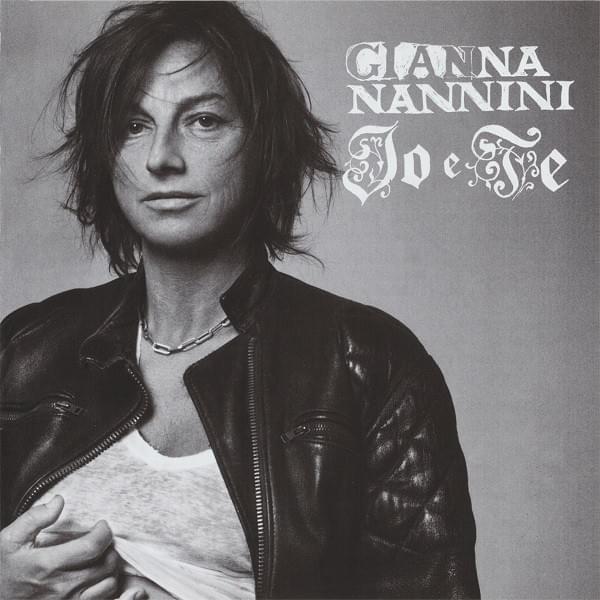
 View Artist