Song Meaning
The narrator grapples with a profound absence, stating plainly, "Dio non vive qui con me" (God doesn't live here with me). This isn't a sudden shock, but a dawning realization, "è probabile che sia un bisogno della mente mia" (it's likely a need of my mind). The search for divine presence in everyday life – "nelle strade in cui cammino io" (in the streets where I walk) – yields nothing, deepening the doubt: "Come posso credere che Dio viva qui con me!" (How can I believe God lives here with me!).
This leads to a stark conclusion: the vastness above is simply sky, "Io credo che sia solo cielo" (I believe it's only sky). There's no divine architect, "nessun Dio niente mistero" (no God, no mystery), just the observable, tangible expanse. This rejection of supernatural explanations is absolute: "Solo cielo e niente più" (Only sky and nothing more).
Yet, a deep-seated human yearning persists, a refusal to accept this as the totality of existence. "Eppure oltre al tempo qualcos'altro ci sarà" (And yet beyond time something else will be). The narrator cannot reconcile with a finite reality, declaring, "Non posso (voglio) immaginare tutto qua!" (I cannot (I want to) imagine it all here!). This internal conflict highlights a tension between rational observation and the innate desire for something beyond the material.
The lyrics then pivot to a critique of imposed beliefs, rejecting offers of an afterlife: "Mi volevano vendere / Un seminterrato in cielo" (They wanted to sell me / A basement in heaven). The narrator's demand is for authenticity, "Ma non compro l'aldilà io no! / Ora voglio verità" (But I'm not buying the afterlife, no! / Now I want truth). This final assertion underscores a preference for tangible reality and honest inquiry over comforting, unverified promises.
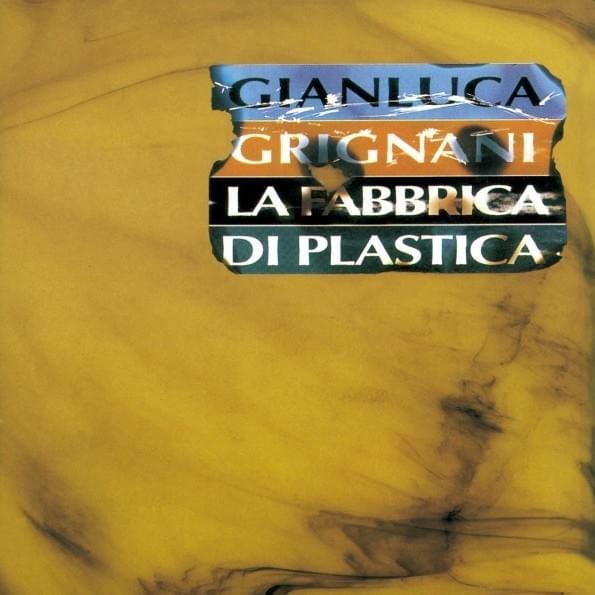
 View Artist