Song Meaning
The narrator is waiting at a bus stop, feeling a strange sense of calm despite the surreal events unfolding around them. The opening lines set a scene of languid anticipation, with eyes closing but still revealing truth, and a gentle wind. This peaceful, almost dreamlike state is punctuated by the explicit mention of waiting for "candyman" and his "organized dream," immediately establishing a transactional, perhaps illusory, nature to this awaited figure. The narrator identifies as the "man of candies," selling "stars," which hints at offering ephemeral or fantastical experiences.
The lyrics then plunge into a series of bizarre, dreamlike images: red snow, a mirrored asphalt, a woman transformed into a cream puff, giant bees drinking tea in the sky, and a lemon driving a car. These are not presented as alarming but as part of the peculiar reality of waiting for "candyman." The repetition of "But candyman, you know, must be paid" and "It's the deal, I'm the man of candies" reinforces the central theme that this dream or experience is not free; it requires a payment, a transaction for something ultimately purchased. The narrator's role as a vendor of "stars" solidifies this idea of selling illusions or fleeting moments of wonder.
The most striking aspect of the craft is the juxtaposition of mundane waiting with extreme surrealism, all filtered through a detached, almost passive perspective. The narrator doesn't question the giant bees or the lemon-driven car; they are simply part of the landscape while waiting for "candyman." This creates a disorienting yet compelling atmosphere, suggesting that the "organized dream" being sold is one that requires a suspension of disbelief and a willingness to accept the absurd. The repeated phrase "There's nothing to understand, there's just a dream to buy" explicitly states that the value lies in the purchase and consumption of the experience, rather than its logic or meaning.
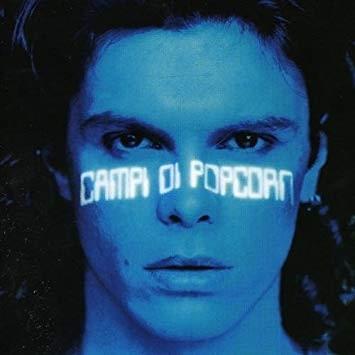
 View Artist