Song Meaning
The lyrics paint a picture of a relationship teetering on the edge, with one person desperately seeking affection while the other seems to be withholding it. The opening plea, "Me dá um beijo, meu amor" (Give me a kiss, my love), sets a tone of urgent longing, immediately contrasted with the late hour, "de madrugada" (in the early morning). This isn't just a casual request; it's a plea born from sleeplessness and a desire to mend a rift.
The central tension lies in the narrator's frustration with the ongoing conflict and the partner's stubbornness. The narrator expresses a clear desire to move past the "briga" (fight) and "baixaria" (lowliness), wanting to salvage the intimacy instead of letting the argument consume the night. They anticipate a future regret from the partner, "Depois vai ficar querendo meu amor e eu não vou dar" (Later you'll be wanting my love and I won't give it), highlighting a potential power dynamic shift born from this current standoff.
The craft here is in the directness and the repeated, almost pleading, refrain. The repetition of "Me dá um beijo" underscores the narrator's singular focus and desperation. The contrast between the desire for a kiss and the partner's refusal, especially as "Vai amanhecer o dia" (The day is going to dawn), amplifies the emotional stakes. The narrator's internal struggle is palpable: wanting to leave the fight but also wanting the affection that the fight is preventing.
This piece resonates because it captures a very specific, raw moment of relationship friction. It’s about the ache of wanting connection when emotional distance has set in, and the frustration of being denied a simple gesture of reconciliation. The lyrics effectively convey the feeling of being stuck in a stalemate, where a small act of tenderness could resolve everything, but it remains just out of reach.
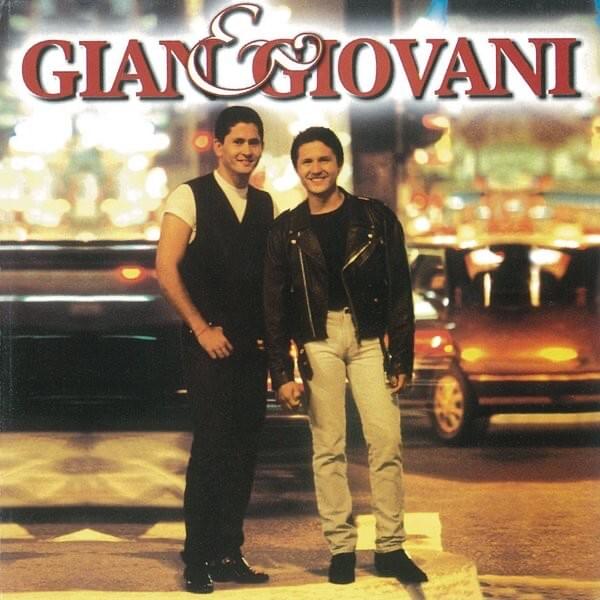
 View Artist