Song Meaning
The lyrics present a figure of immense, almost paradoxical power, described as both "insurrection" and "the shining and the light." This duality suggests a creator or force that is essential for existence and perception, yet also inherently disruptive or antagonistic. The repetition of these opposing traits hammers home the all-encompassing nature of this entity, implying it’s the source of both being and the will to act, even if that action is destructive.
The central tension lies in this inherent contradiction. How can something be both the origin of light and sight, and also spite and insurrection? The lyrics don't offer an easy resolution, instead leaning into the unsettling idea that the very forces that enable life and understanding might also be the source of conflict and rebellion. This suggests a complex, perhaps even adversarial, relationship with the divine or a foundational power.
The most striking element is the introduction of "Nostro Dispater" and "Nostr'Alma Mater." These phrases, blending Latinate terms for father and mother/nurturing place with a potentially infernal or adversarial connotation (Dispater being a name for Pluto/Satan), create a deeply ambiguous origin story. It’s as if the narrator is claiming a lineage from both a revered, life-giving source and a dark, rebellious one, blurring the lines between creator and destroyer.
This lyrical construction is effective because it taps into a primal sense of awe mixed with dread. The insistent, almost chant-like repetition of "He is" and the core descriptors creates a hypnotic effect, drawing the listener into the narrator's complex, possibly conflicted, devotion. The ambiguity forces contemplation, making the listener question the nature of the forces that shape their own existence and motivations.
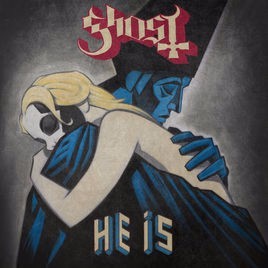
 View Artist