Song Meaning
This poem presents a hypothetical scenario where the celestial order is dramatically altered, yet beauty persists. The initial image of stars falling and flowers blooming in their place suggests a profound shift in the natural world. Despite this cosmic rearrangement, the narrator asserts that the sky would remain "very fair," implying that beauty is not solely dependent on conventional arrangements but can manifest in new forms. The earth's face, too, would retain its loveliness, hinting at nature's inherent resilience and capacity for aesthetic appeal.
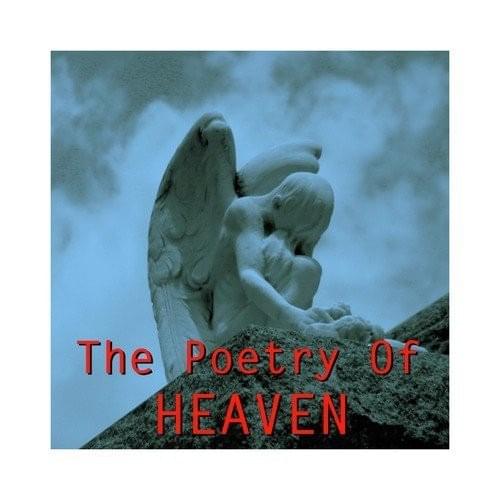
The poem then introduces a layer of divine intervention and human limitation. Winged angels could descend to "pluck the stars," a powerful image suggesting a divine ability to interact with and perhaps even harvest these celestial bodies. This contrasts sharply with the human condition, where "we could only long for flowers / Beyond the cloudy bars." This line evokes a sense of longing and separation, implying that humanity is confined, unable to reach the divine or the transformed celestial realm, only able to yearn for what is out of reach.
The craft here hinges on the stark contrast between the divine and the human, the possible and the longed-for. The imagery of angels plucking stars is grand and otherworldly, while the "cloudy bars" serve as a potent metaphor for human limitations, whether they be physical, spiritual, or existential. The poem’s effectiveness lies in this juxtaposition; it paints a picture of a world where even radical change doesn't diminish beauty, but it simultaneously underscores a poignant human yearning for something unattainable, a beauty forever glimpsed but just beyond grasp.
 View Artist