Song Meaning
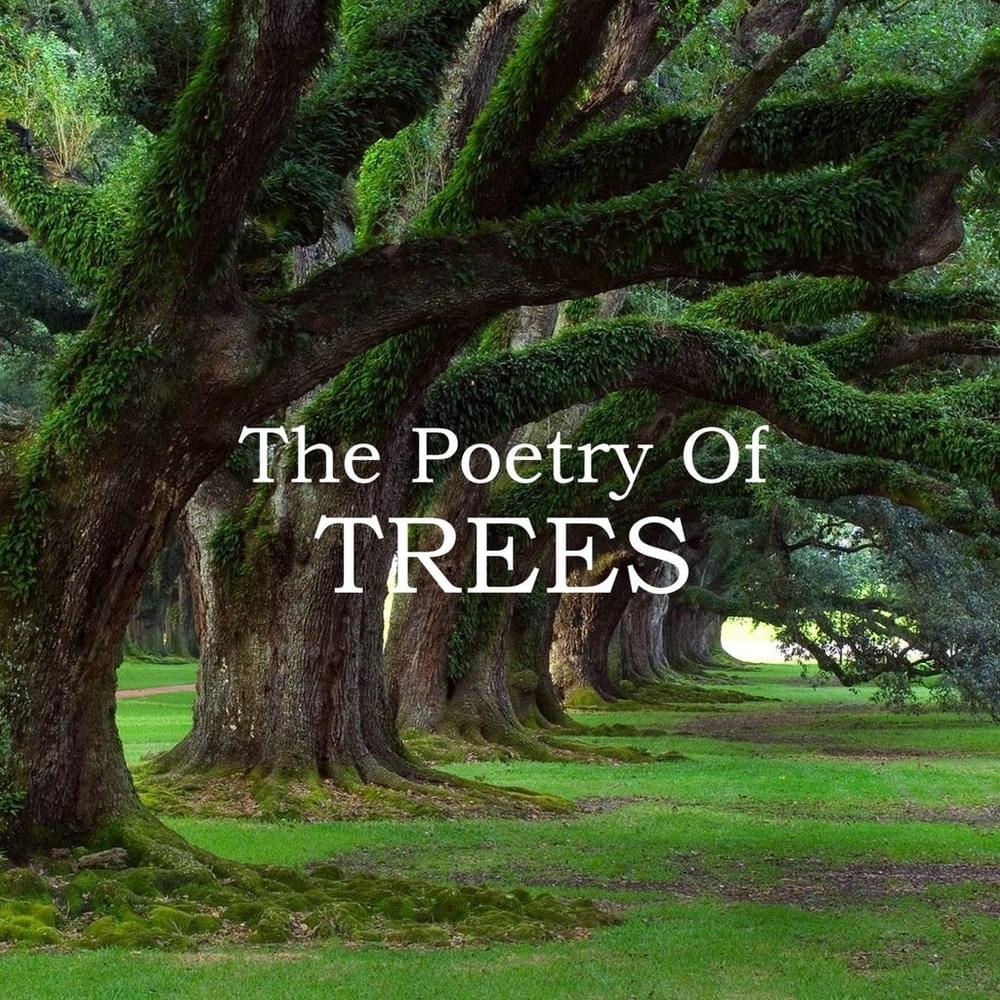
The lyrics paint a stark contrast between the violent taming of nature and the unexpected, resilient bloom of emotion within the human heart. Initially, the poem describes a primeval forest, where ancient trees are "subdued" by "hands of men" like "warriors by an unknown foe." This act of forceful subjugation paradoxically births new life: "springs that ne'er did flow" begin to run, and "rare flowers did blow," including a "wild rose pale" and a "queenly lily." This suggests that even destruction can, in a strange way, lead to a vibrant, albeit sorrowful, renewal.
The poem then pivots to a deeply personal, emotional landscape, drawing a direct parallel to the initial natural imagery. When "the love of years / Is wasted like the snow" and its "life / By the rude wrong of instant strife / Are broken at a blow," the heart undergoes a similar transformation. New, unknown "springs upstart" within, leading to "strange, sweet dreams" that overflow like "silent streams." This internal renewal mirrors the forced blossoming of the forest, implying that profound loss can unlock unexpected emotional depths and creative potential.
The most striking craft element is the extended metaphor connecting the physical destruction of the forest to the emotional devastation of lost love. The "groans of woe" from the "hoary trees" find their echo in the "tears" of the heartbroken narrator. The "rude wrong of instant strife" that breaks the "fine fibrils of its life" is mirrored in the taming of the wood. This consistent parallel structure, moving from the external world to the internal, emphasizes how deeply intertwined natural processes and human emotional experiences can be, especially in moments of intense suffering and subsequent rebirth.
Ultimately, these lyrics resonate because they articulate a profound, almost paradoxical truth about resilience. The poem suggests that even when love is "wasted like the snow" and life feels "broken at a blow," the human spirit possesses an innate capacity for renewal. The "ashes" of past sorrow, much like the subdued earth, become the fertile ground for "rare and radiant flowers of song." This hopeful conclusion, rooted in the imagery of natural cycles, offers a powerful testament to the enduring creative and emotional force that can emerge from even the deepest despair.
 View Artist