Song Meaning
The lyrics paint a stark picture of internal conflict and self-deception, set against a backdrop of isolation. The opening lines, with a "stained mirror" and the plea to "stay away from what you are," immediately establish a sense of shame and a desire to escape one's own identity. The narrator seems trapped in a cycle of hiding, singing, and crying alone, caught in the "same place, same story" where feelings of "lust" and "dirt" are met with indifference, as "no one cares that you cry and burn." This sets up a profound sense of alienation.
The central tension lies in the narrator's desperate attempt to reconcile a perceived inner falseness with an external need for connection or validation. The repeated declaration "I'm a fake" is a raw admission, yet it's juxtaposed with a yearning to "reach" and a desire to "fall in love." This love, however, is described as "drug affection," suggesting a hollow or manufactured intimacy sought not for genuine connection but to "please the sun" – perhaps representing an idealized, unattainable state or external approval. The narrator is caught between the desire for authenticity and the compulsion to perform a role.
A striking element is the recurring imagery of light and dark, sun and moon, which seems to mirror the narrator's internal struggle. The command to "stay away from the sun" and the preference for a "bloody night" suggests an avoidance of clarity or truth, embracing a more shadowed existence. The plea for "Apollo love" – Apollo being the god of light and truth – feels ironic given the narrator's self-proclaimed fakery and preference for darkness. This contrast highlights the deep-seated self-loathing and the impossible standards the narrator seems to hold themselves to, leading to a "tired explosion to be someone else."
Ultimately, the effectiveness of these lyrics stems from their unflinching portrayal of self-alienation and the painful consequences of living a lie. The raw, almost confessional tone, particularly the repeated "I'm a fake" and the desperate "I've got to pay now!," resonates with the universal struggle of feeling inadequate or inauthentic. The writing doesn't offer easy answers, instead immersing the listener in the narrator's internal turmoil, making the emotional weight of their deception palpable and deeply felt.
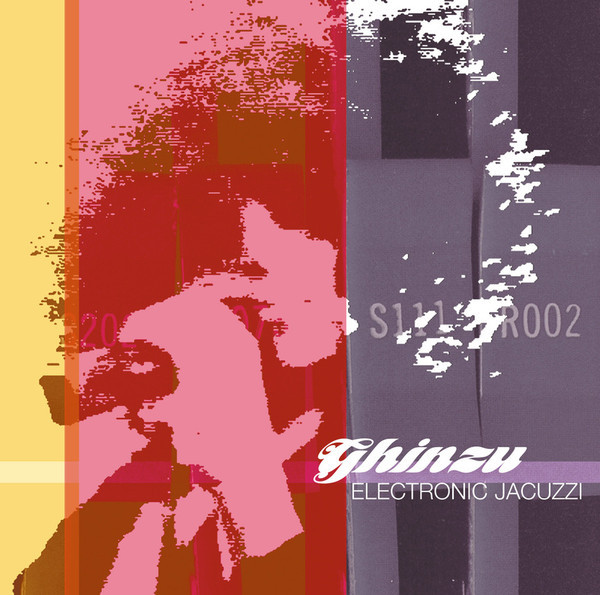
 View Artist