Song Meaning
Gerry Rafferty's rendition of "Adeste Fideles"—a Christmas hymn instantly recognizable even to lapsed Catholics—transcends mere holiday cheer, delving into the complex psychology of faith, belonging, and the yearning for transcendent experience. The Latin lyrics, a call to the faithful to joyfully triumph and come to Bethlehem, paint a picture of communal ecstasy. But beneath the surface of collective celebration, Rafferty's interpretation hints at the individual's search for meaning within a structured belief system. The repeated invitation, "Veníte adoremus" (Come, let us adore), becomes less a command and more a beckoning towards a personal encounter with the divine. This resonates with the inherent human desire to connect with something larger than oneself, to find solace and purpose in a world often perceived as chaotic.
The hymn's theological assertions – God from God, Light from Light – speak to the core mysteries of Christian doctrine. Yet, within Rafferty's musical framing, these pronouncements also touch upon the psychological need for stable narratives and foundational truths. In a secular age increasingly skeptical of organized religion, the song's enduring appeal might stem from its ability to tap into a deeper, more primal longing for the sacred. It's not necessarily about endorsing dogma, but rather about acknowledging the human impulse to seek meaning beyond the material realm. The lyrics' vision of angels and celestial choirs, proclaiming "Gloria in excelsis Deo" (Glory to God in the highest), evokes a sense of awe and wonder, emotions that have profound psychological effects, fostering feelings of hope and connection.
Ultimately, the song meaning of "Adeste Fideles,” especially as filtered through Gerry Rafferty's artistic sensibility, lies in its exploration of faith as both a collective experience and an intensely personal journey. It acknowledges the power of tradition while simultaneously inviting listeners to engage with the divine on their own terms. The triumphant call to adoration is not just a ritualistic exercise, but an invitation to confront the fundamental questions of existence and find personal resonance within a shared spiritual heritage. It's a musical exploration of the human psyche's enduring quest for meaning, purpose, and connection to something beyond the self.
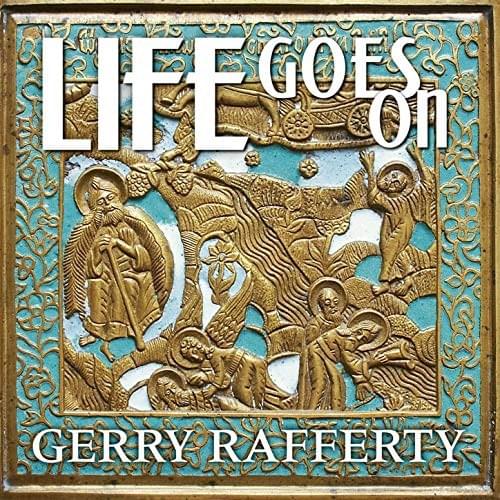
 View Artist