Song Meaning
The narrator immediately establishes a persona that is decidedly *not* supernatural, despite the heavy implications of their title. They claim no powers, no mutations, no magic, but instead, they 'manejo un comando' – they manage a crew. This grounding in earthly, albeit illicit, operations sets the stage for a narrative of power derived not from inherent gifts, but from organized force and a designated role. Being 'R57' isn't a mystical designation, but a baptism into a specific, violent order.
The lyrics paint a picture of a criminal enterprise built on hierarchy and visible displays of power. The narrator speaks of 'ganancia' from being 'elegido' to 'cuidar una plaza,' suggesting a territory or turf that brings prestige and profit. The 'carros marcados' and 'tachas sobre los blindados' are not just details; they are symbols of authority and intimidation, ensuring respect within their sphere. This isn't just about crime; it's about maintaining an empire and enforcing loyalty through fear and visible might.
The most striking aspect is the juxtaposition of brutal violence with a chillingly mundane, almost bureaucratic, approach to their actions. The 'virus mortifero' and 'antrax' are deployed not with fanatical zeal, but as tools of control, part of a 'gran enseñanza' integrated into their operations. The narrator embraces the title 'lider de los genocidios' with a disconcerting 'siempre positivo' attitude, framing danger and violence as part of the job description, something to be welcomed. The 'Kalashnikov con huevitos colgando' is a particularly jarring image, blending lethal weaponry with a bizarre, almost taunting, personal touch.
This lyrical construction is effective because it strips away any pretense of ideology or grand purpose, presenting a stark portrait of organized violence for its own sake, or for the 'ganancia' it provides. The narrator's self-awareness of their role, coupled with their almost cheerful acceptance of extreme brutality – 'me rozan las balas y asi lo recibo' – creates a disturbing intimacy. It’s the normalization of atrocity within a structured, almost familial, criminal organization ('somos un equipo, familia y amigos') that makes the narrative so potent and unsettling.
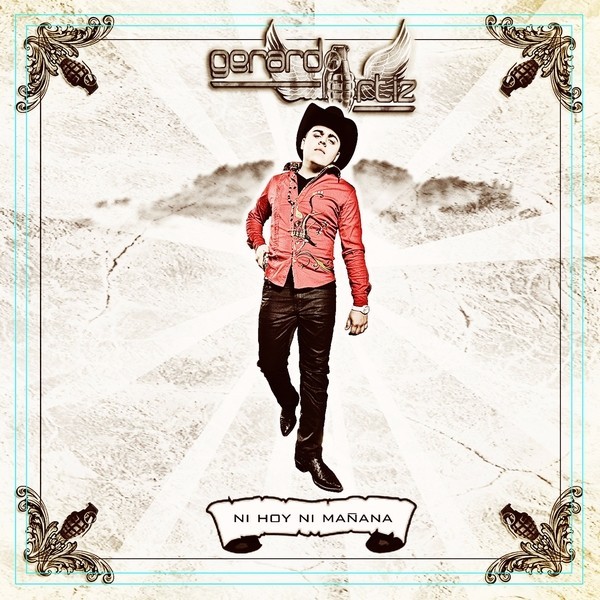
 View Artist