Song Meaning
The narrator wakes up disoriented, with a name on their mind and a gnawing uncertainty about what's real versus imagined. There's a palpable fear that the intense feelings are just an illusion, a fleeting hallucination. This internal confusion is so profound that even their guitar seems to be confessing hidden emotions, blurring the lines between self and external expression. The dominant tone is one of anxious longing and a desperate need for clarity.
The core tension lies in the conflict between a strong, undeniable feeling of love and the crippling doubt that it might not be reciprocated or even real. The repeated phrase "Y mas amor y mas amor" (And more love and more love) highlights a perceived need for affection, both from the object of their desire and perhaps as a general principle the narrator believes in. Yet, the narrator admits "Solo tiempo es lo que ocupo yo" (Only time is what I need), suggesting a passive waiting game for confirmation.
The lyrics cleverly use the ticking clock as a motif for mounting pressure and the passage of time, amplifying the narrator's anxiety. The contrast between the certainty of their own feelings ("Si te quiero eso no ahí duda amor" - If I love you there is no doubt, love) and the uncertainty of the situation creates a poignant emotional landscape. The idea that a "Niña hermosa" (beautiful girl) has taken "La gran parte que ahí de mi corazon" (the big part of my heart) solidifies the focus of this intense, yet fragile, affection.
This piece resonates because it captures that universal, gut-wrenching feeling of being on the precipice of something profound, yet terrified of the fall. The specific, almost mundane details like checking the clock and the guitar's 'confession' ground the abstract emotional turmoil in relatable imagery. It's the raw vulnerability of admitting fear of illusion while simultaneously being consumed by love that makes these lyrics hit so hard.
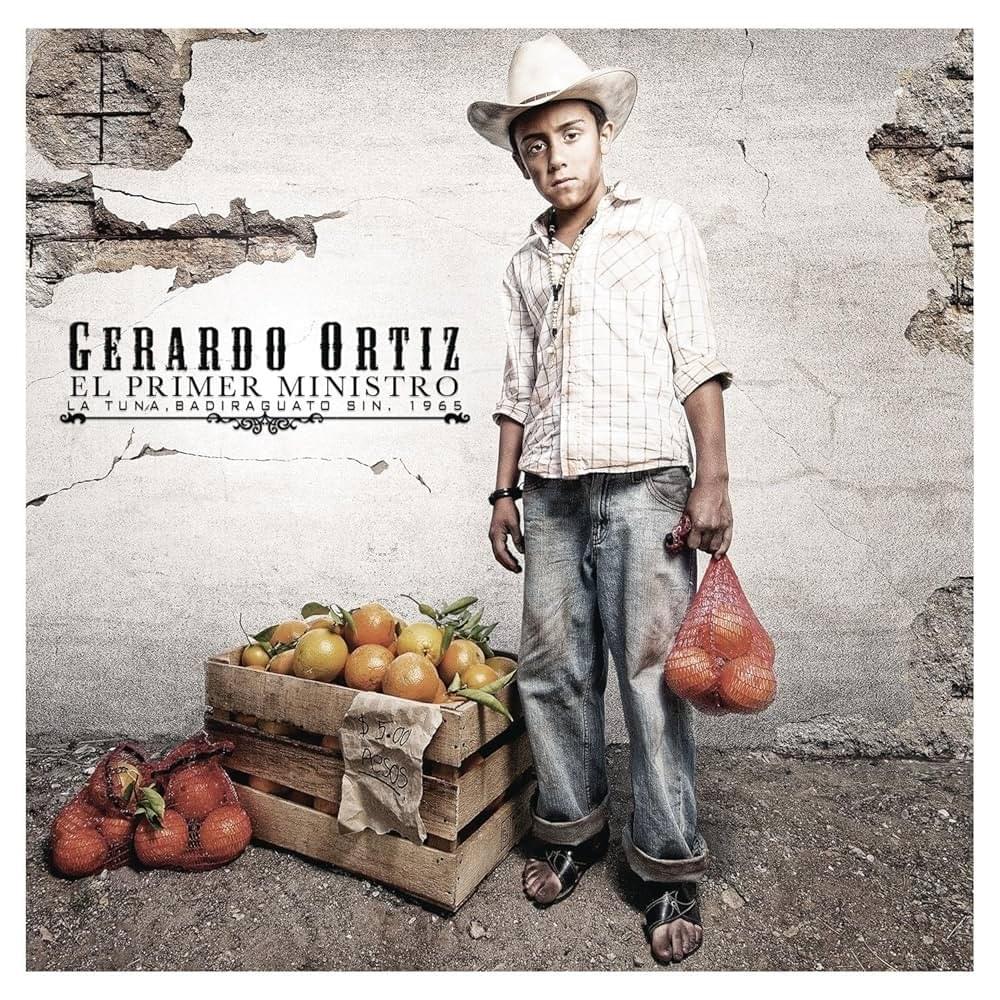
 View Artist