Song Meaning
The lyrics paint a surreal, almost mythic portrait of a performer born from a colossal Norwegian fir tree. The narrator, a "child of the highest branch," describes a life of "saltimbanque" (acrobat/performer) sustained by an otherworldly purity, living "without money." This fantastical origin story immediately sets a tone of detachment from the mundane world, hinting at a unique existence shaped by an immense, natural source.
The central tension arises from the narrator's existential questioning and weariness. They repeatedly ask, "Who is the one who carved you from a piece of wood / And then set you free?" This plea, directed at an unseen entity or perhaps the audience, reveals a deep-seated need for understanding their own creation and purpose. The desire for liberation is palpable, especially as the narrator expresses exhaustion from constant travel, "folded in my cardboard box."
The most striking craft element is the juxtaposition of the grand, natural imagery of the fir tree with the performer's constrained reality. The narrator's father is a "120-meter fir tree," yet the narrator feels trapped in a "cardboard box," a stark contrast between potential and confinement. The recurring question about being "liberated" and dancing "without pulley or string" underscores a yearning for genuine freedom, distinct from the artificial movements dictated by their "master, Eugène."
This lyrical construction is effective because it taps into a universal feeling of being shaped by external forces while simultaneously seeking authentic self-expression. The fantastical origin story lends a unique weight to the narrator's struggle for autonomy. The image of dancing freely, unburdened by the mechanics of performance, resonates as a powerful metaphor for true liberation from imposed roles and existential limitations.
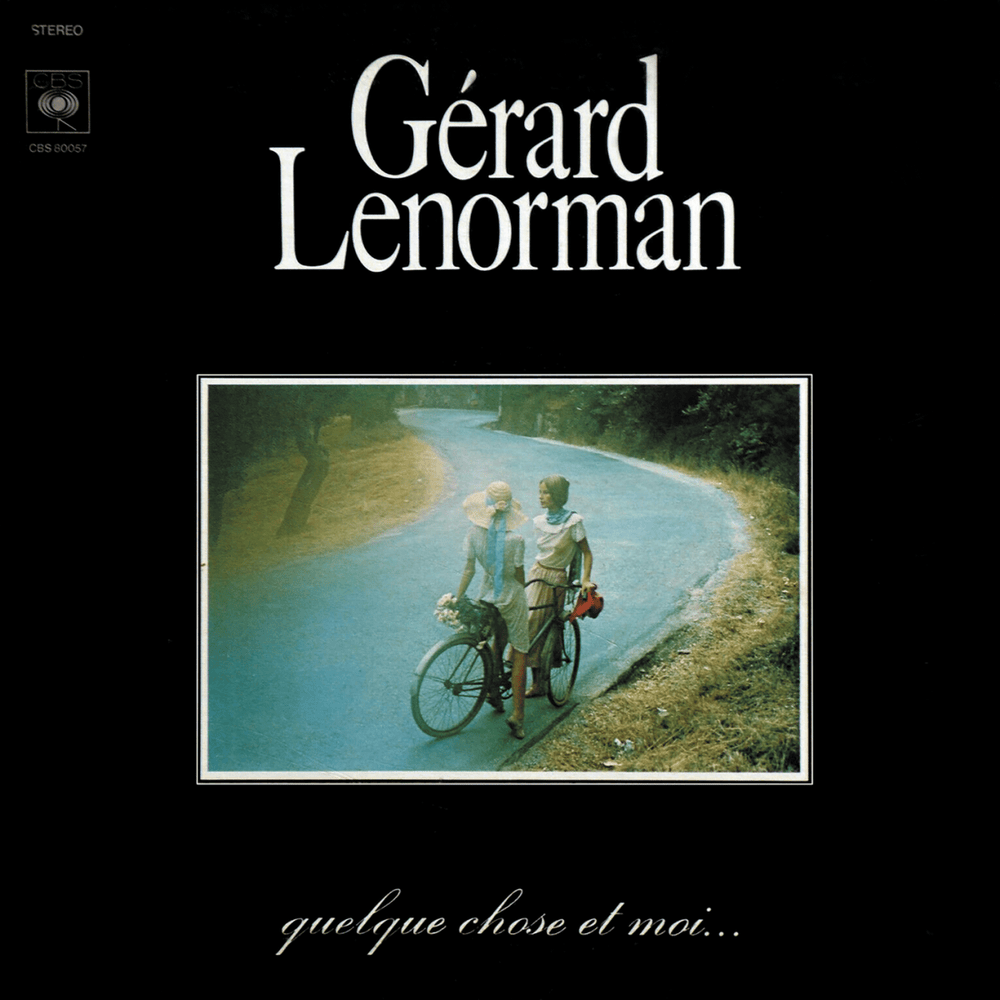
 View Artist