Song Meaning
Anggun's "J'ai appris le silence" isn't just a song; it's a masterclass in repressed longing, a study of the self forced into a suffocating mold. The track's title, translating to "I learned silence," immediately establishes the core theme: a woman conditioned to suppress her true emotions and desires. The lyrics paint a portrait of enforced elegance and swallowed suffering, where even smiles become masks concealing deeper sighs. She admits to patience, not as a virtue, but as her only form of defiance ("comme unique insolence"). There's a profound sadness in her ability to "maquiller mes soupirs / En larmes de joie" (disguise my sighs as tears of joy), highlighting the immense effort required to maintain this facade. The line "J'ai promis la descence / Avaler mes souffrances / Sans éclat de voix" (I promised decency / To swallow my suffering / Without a voice) reveals the societal pressures that have shaped her behavior.
The recurring phrase "J'ai appris malgré moi" (I learned in spite of myself) is the crux of the song's meaning. It underscores the involuntary nature of this emotional suppression. She didn't choose silence; it was imposed upon her. The lyrics suggest that love itself has become a dangerous territory, where words of affection are perceived as offensive ("Que les mots d'amour sont seul / Que ma langue est offence"). This perceived danger has led her to confide only in the stars, turning to the vastness of the cosmos as a safer repository for her "jolies confidences" (pretty secrets). The "voile" (veil) she wears is not just a physical covering but a symbol of the emotional barriers she has erected to protect herself.
Ultimately, "J'ai appris le silence" is a plea for liberation. The final verses shift in tone, expressing a desperate hope for change. She begs to be taught how to shed the veil and break free from the silence that has defined her existence. The whispered "Je t'aime" (I love you) at the end, followed by the cautionary "Mais chuuut" (But shhh), encapsulates the internal conflict at the heart of the song. It's a declaration of love that is simultaneously expressed and immediately retracted, revealing the depth of her conditioning and the enduring power of silence. Anggun explores the tension between social expectations and authentic desire, creating a haunting and deeply resonant portrait of a woman on the verge of breaking free.
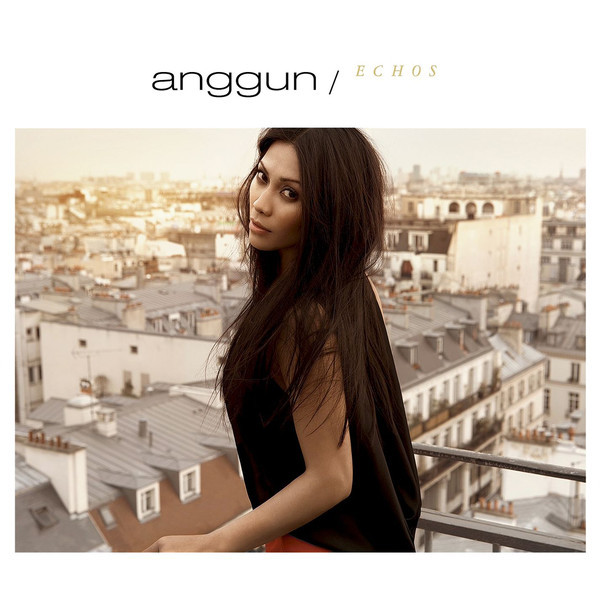
 View Artist