Song Meaning
The lyrics paint a picture of a relationship teetering on the brink, where one person is trying desperately to deny the inevitable end. The narrator hears the words of breakup spoken by themselves, a chilling realization that their own voice betrays their true feelings. This internal conflict is palpable, suggesting a deep-seated unwillingness to let go, even as the evidence mounts that the relationship is failing. The phrase "Zo kan het toch niks worden" directly confronts the futility of continuing.
The core tension lies between the desire to hold on and the dawning acceptance of loss. The narrator clings to the idea that "Er kan er toch maar een zijn / Die ene dat ben jij," a powerful plea that frames the other person as irreplaceable. This refrain acts as a desperate mantra, attempting to convince both themselves and their partner that their bond is unique and unbreakable, despite the spoken words of separation. The contrast between the spoken "Ik hou niet meer van jou" and the repeated plea "Blijf maar bij mij" highlights this internal struggle.
The most striking aspect is the narrator's self-awareness of their own voice delivering the death knell to the relationship. "Maar ik hoor het aan mijn stem" is a stark admission that their own vocal inflection betrays their true, perhaps subconscious, desire for the relationship to end. This is amplified by the scene at the door: a final kiss, tears, and the hope that the departing partner will "blijft staan." It's a moment of profound vulnerability, where the physical act of leaving is met with a desperate, unspoken wish for them to turn back, even after the words of goodbye have been uttered. This internal contradiction makes the emotional weight of the lyrics so potent.
Ultimately, the effectiveness of these lyrics stems from their raw portrayal of denial and clinging in the face of heartbreak. The repeated refrain, while seemingly a plea for reconciliation, also functions as a desperate self-reassurance. The narrative captures that agonizing moment when the mind knows it's over, but the heart, or perhaps a deeper instinct, refuses to accept it, creating a poignant and relatable depiction of a relationship's final, painful moments.
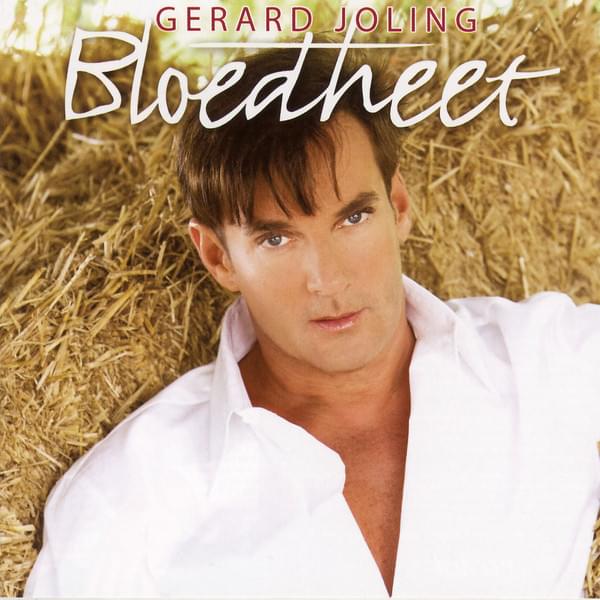
 View Artist